Ask a park ranger what animal visitors most want to see and the answer is almost always the same: moose. Ask which animal they'll actually see and it's white-tailed deer, grazing along a carriage road at dusk without a hint of concern. Acadia's wildlife runs on that same gap between expectation and reality — the park has surprisingly few large mammals but is one of the best bird-watching destinations on the Eastern seaboard, plus a coastline stacked with seals, porpoises, and tidepool life most visitors never think to look for.
This guide works through what actually lives here, species by species, and tells you when and where to look. It also settles the recurring myths — moose, mountain lions, and resident puffins among them — before you spend a hiking day chasing something that isn't there.
How Many Animals Live in Acadia? (Quick Overview)
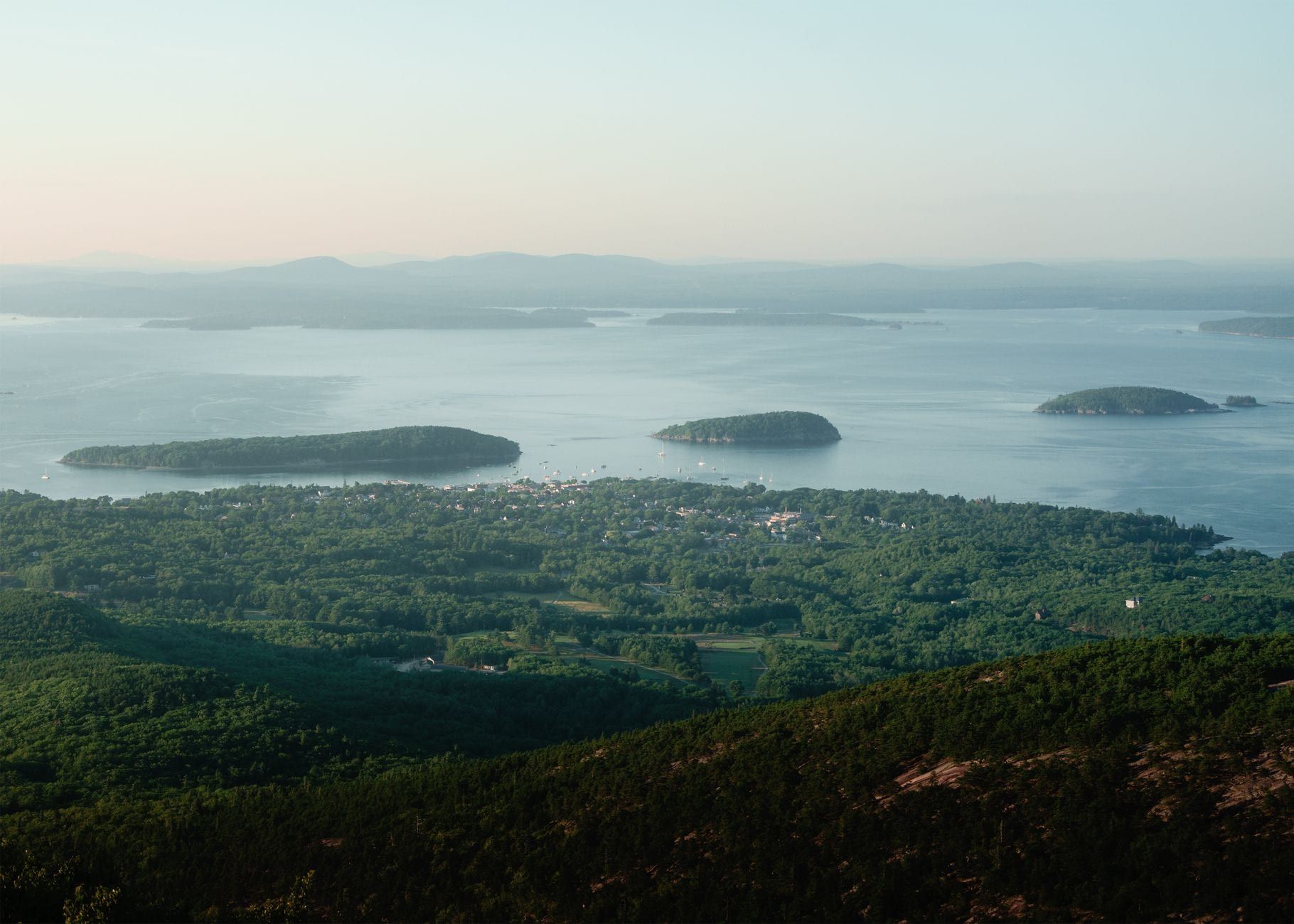
Acadia has recorded more than 300 bird species — 338 at last count — alongside roughly 40 mammal species, 30 fish species, 11 amphibians, and 7 reptiles. That's a striking amount of biodiversity for a park that covers just over 47,000 acres, but the acreage explains it: the park stitches together half of Mount Desert Island, the Schoodic Peninsula on the mainland, and pieces of a dozen-plus smaller islands, so it holds granite summits, spruce-fir forest, freshwater ponds, salt marsh, and nearly 64 miles of rocky coastline all within a short drive of each other. You can read more about that geography in our overview of Acadia's history and layout.
Set your expectations before you set out. Despite Maine's reputation for moose and Big North Woods wildlife, Acadia is not that kind of park. Moose are scarce, mountain lions and wolves don't exist here at all, and black bears keep well out of sight. What Acadia does deliver, reliably, is deer, seabirds, seals, and a coastline crawling with life if you know where to crouch down and look.
Mammals of Acadia: What You're Actually Likely to See
Roughly 40 mammal species live in Acadia, but the odds of seeing each one vary enormously. Here's the realistic order, from near-certain to needle-in-a-haystack.
White-tailed deer
Deer are the mammal you'll actually see, often at close range. They're most active at dawn and dusk around Sieur de Monts and along the carriage roads, where they graze unbothered a few feet from cyclists and walkers. If you only have an hour to spare, a slow evening walk near Sieur de Monts is a near-guaranteed sighting.
Black bear
Black bears live in Acadia year-round, but they're rarely seen — most visitors go their whole trip without spotting one. The Schoodic Peninsula, being connected to the Maine mainland rather than sitting offshore like Mount Desert Island, sees somewhat more frequent sightings. Bear spray isn't necessary here; good food storage habits matter far more (more on that below).
Moose
Moose are the animal everyone asks about and the one they're least likely to find. On Mount Desert Island, confirmed sightings can be years apart. Schoodic Peninsula offers slightly better odds, again because of its mainland connection, particularly near wetlands between May and October. Don't plan a visit around seeing one — treat any sighting as a bonus.
Red fox, coyotes, and the elusive bobcat
Red fox are the park's most visible predator, sometimes trotting along road edges at dawn with a rust-colored coat that's hard to miss. Coyotes are more common than most visitors realize but keep a wider berth from people. Bobcats are here too, but they're nocturnal, solitary, and genuinely hard to see — a fresh set of paw prints in mud or snow is a more likely encounter than the cat itself.
Beavers, the park's engineers
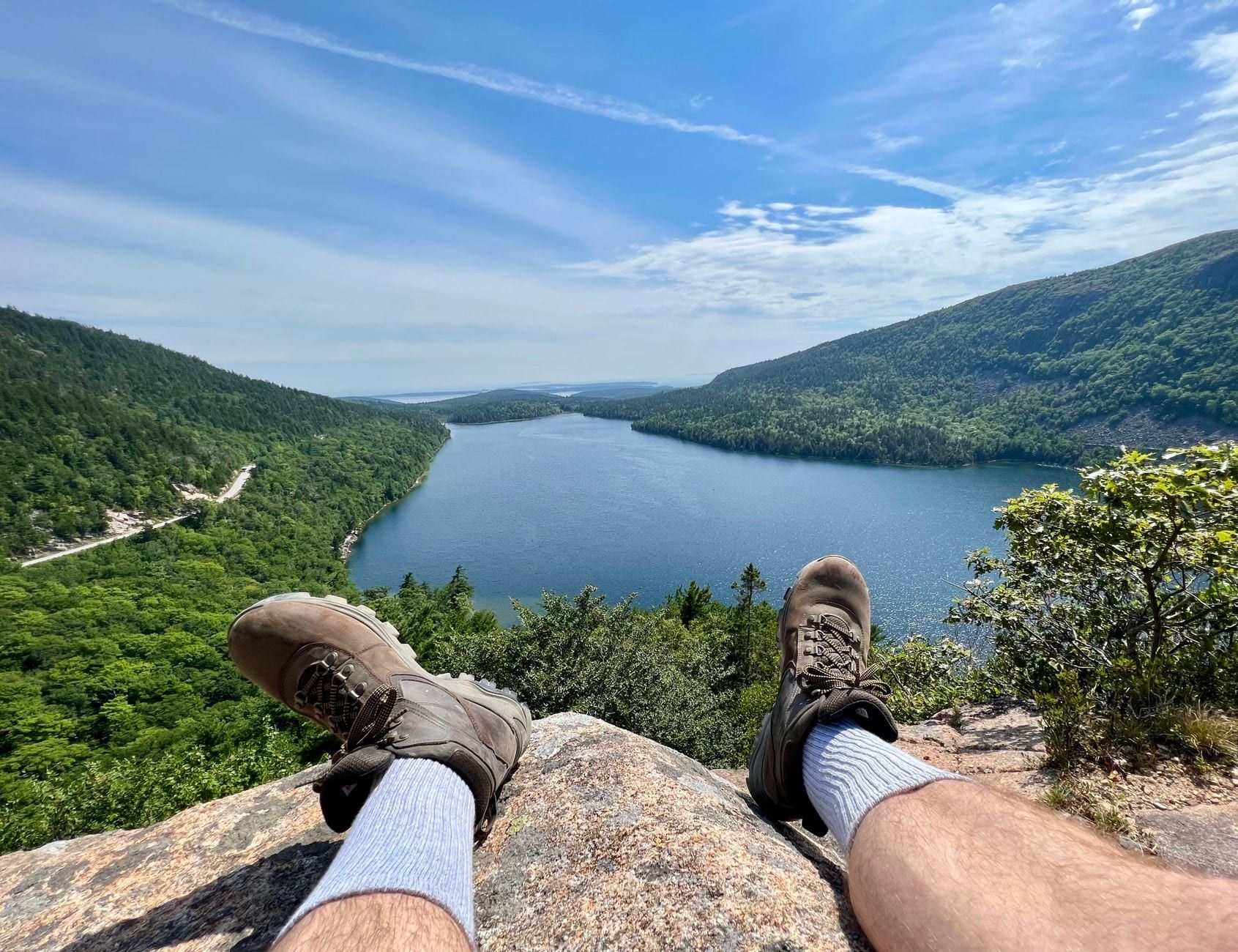
Beavers were trapped nearly to extinction in Maine by the early 1900s but have fully rebounded and now live throughout the park. Look for gnawed stumps and dams around Jordan Pond, The Tarn, and Witch Hole Pond — a quiet paddle or slow walk near dusk is your best shot at seeing one actually swimming. Riding the carriage roads by bike past Witch Hole Pond is a good way to cover several of these ponds in one outing.
Hares, porcupines, otters, and mink
Snowshoe hares turn white in winter and brown in summer, and are most often spotted along brushy trail edges. Porcupines move slowly enough that a sighting is almost leisurely, usually low in a tree. River otters and mink both frequent pond edges and stream banks — otters are playful and vocal when present, so listen as much as you look.
Bats
Eight bat species have been recorded in Acadia, but their numbers have dropped by more than 80% since white-nose syndrome, a fungal disease, arrived in the region. Dusk fliers over open water like Jordan Pond are your best chance at seeing one, though the population crash means far fewer than a generation ago.
Birds & Raptors: Acadia's Star Attraction
Birds are Acadia's real headline act, and the numbers back it up: 338 species have been recorded here, putting the park among the best birding sites on the East Coast. The story that matters most is the peregrine falcon's comeback.
Peregrine falcons
Peregrine falcons had vanished from Mount Desert Island entirely by 1956, wiped out by pesticide contamination. The first successful nest in 35 years happened in 1991, and the population has kept rebuilding since. They nest on cliff faces including Champlain Mountain, which is why trails like the Precipice close seasonally each spring — check current status before you plan a hike there, and see our guide to the best hikes in Acadia for trail-by-trail conditions.
Bald eagles
Bald eagles hunt along Acadia's shoreline and around larger lakes, often visible as a soaring silhouette over Frenchman Bay or perched in a dead pine near the water. Fall and winter, when fish move into shallower water, tend to bring more visible activity.
Loons
Common loons nest on Acadia's quieter lakes and ponds, and their wailing call carries a long way over still water at dawn. Watch for their low profile in the water — they ride noticeably lower than a duck — and their habit of diving and surfacing far from where they went under.
Owls
Barred owls are the species most likely to turn up, usually heard before they're seen — their call is often described as sounding like who cooks for you. Night viewing means moving quietly and using a red-filtered light rather than a bright flashlight, which disturbs both the bird and other visitors.
Warblers and songbirds
As many as 23 warbler species pass through or breed in Acadia, making spring migration (April through May) prime time for songbird watching. The mixed spruce-fir and deciduous forest gives warblers, vireos, and thrushes plenty of cover, and Jesup Path's boardwalk through Great Meadow is one of the easiest places to stand still and let them come to you.
Seabirds — and why puffins aren't here
Gulls, cormorants, and terns are constant along Acadia's coastline and require no special effort to see. Atlantic puffins are a different story: they don't nest inside the park at all. Puffin colonies sit on remote offshore islands and seeing one means booking a dedicated boat tour out of a coastal town, not a walk on any Acadia trail.
Marine & Coastal Wildlife
A good chunk of Acadia's wildlife draw is oceanic, not forest-based, and it rewards visitors willing to time their walk around the tide chart.
Harbor and gray seals
Both harbor and gray seals haul out on rocky ledges along the Schoodic Peninsula and near Bass Harbor, most reliably in summer and early fall. Watch from shore with binoculars rather than approaching — a seal that looks stranded on a rock is usually just resting, and getting close can separate a pup from its mother.
Porpoises and whales
Harbor porpoises surface in small, quick arcs offshore on calm days, easiest to spot from headlands like Schoodic Point when the water is glassy. Whales stay further out and generally require a dedicated whale-watching boat out of Bar Harbor — don't expect to see one from the coastal trails. Several operators run these trips out of town; browse Acadia tour options if you want to add one to your itinerary.
Tidepool life
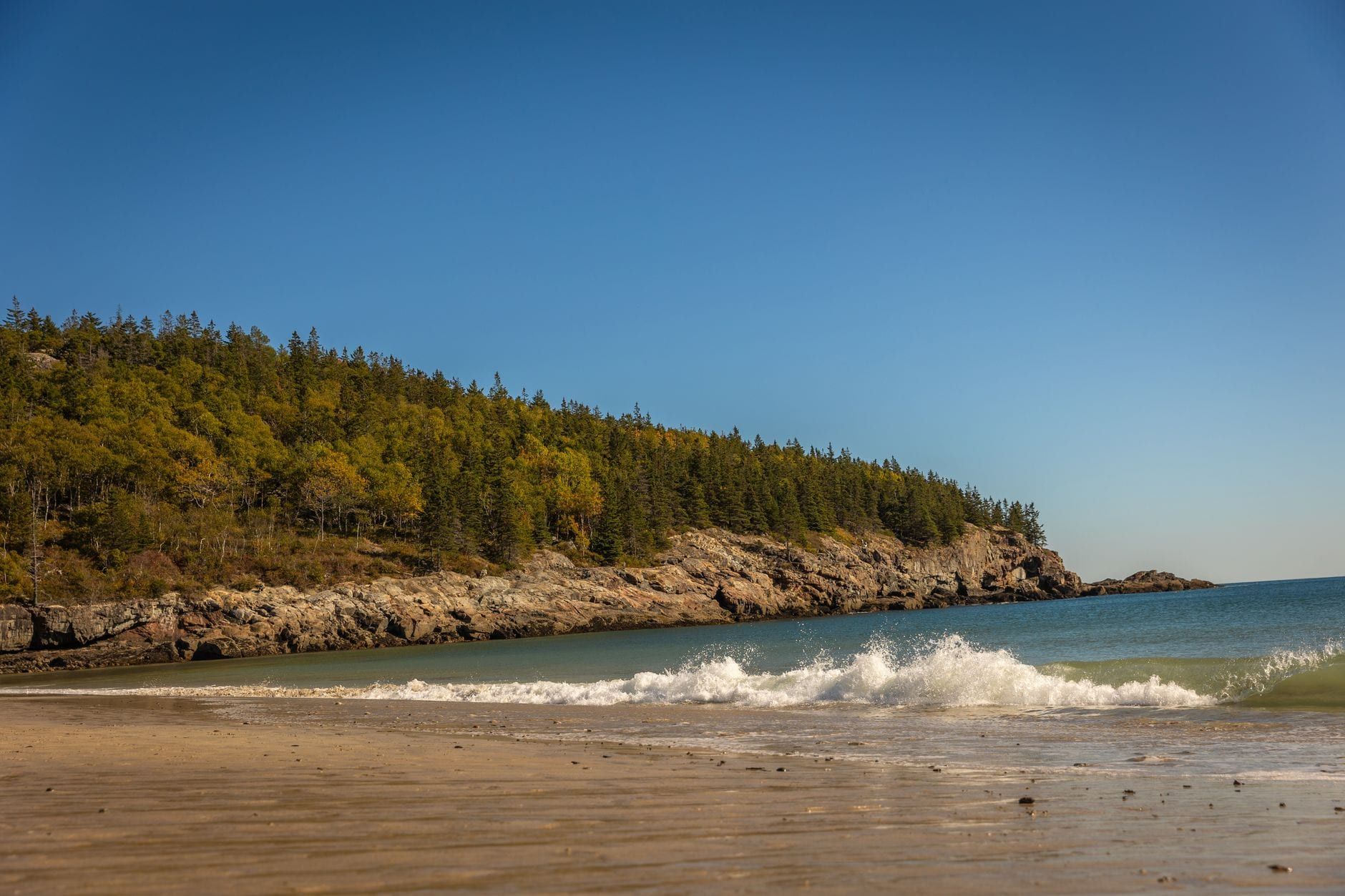
Ship Harbor, Wonderland, and Bar Island are the park's best tidepooling spots, where crabs, periwinkles, barnacles, sea stars, and mussels cling on between tides. Plan your visit within about 90 minutes of low tide — any later and the pools you want to reach are back underwater. Move carefully on the wet rock, which gets slick fast, and put anything you pick up back exactly where you found it.
Reptiles, Amphibians & Other Small Creatures
Acadia's 7 reptile and 11 amphibian species make up the quiet majority of its biodiversity and get almost no attention, which is a shame — they're some of the easiest sightings in the park.
Snakes, turtles, and amphibians
Garter and green snakes are common, small, and completely harmless, usually seen sunning on warm rock in early morning. Painted turtles bask on logs in ponds throughout the park — Jordan Pond and The Tarn are reliable spots. In wetlands, listen for spring peepers in April and May and the deeper croak of bullfrogs by midsummer; several salamander species stay hidden under logs and leaf litter and turn up mostly during spring rains.
Fish and invertebrates
Acadia holds 30 fish species, including native brook trout in cold streams and alewives that migrate between fresh and salt water each spring. Invertebrates fill every layer of the park, from dragonflies over ponds to the barnacles and mussels packed onto intertidal rock — unglamorous, but they're the base of the food web that makes everything else on this list possible.
Best Times, Seasons & Places to See Wildlife
Dawn and dusk beat midday for almost everything on this list — most Acadia mammals are crepuscular, meaning they're active at low light and bed down once the sun is high. Beavers, deer, foxes, and hares all follow this pattern, so plan wildlife walks for the first or last hour of daylight rather than the middle of the afternoon.
| Species | Best months | Best location |
|---|---|---|
| Moose | May–October | Schoodic Peninsula wetlands |
| Harbor & gray seals | Late spring–fall | Schoodic Peninsula, Bass Harbor |
| Peregrine falcons | Spring–summer | Champlain Mountain cliffs |
| Warblers & songbirds | April–August | Jesup Path, Great Meadow |
| White-tailed deer, otters | Year-round | Sieur de Monts, The Tarn |
For a single-location plan, Jesup Path and Great Meadow cover deer and songbirds in one easy boardwalk loop; The Tarn is worth a slow pass for otter tracks and mink sign along the water's edge; Schoodic Peninsula and Bass Harbor are the seal and (long-shot) moose zone; Ship Harbor and Wonderland are the tidepooling pair. If you're building a full trip around this, our season-by-season guide to visiting Acadia lines up wildlife timing with weather and crowd levels, and our fall foliage guide covers the migration window when songbirds and raptors move through.
Pack light: a field guide or the park's NPSpecies checklist, binoculars, a small notebook, and a camera with some zoom reach cover almost every situation. The National Park Service also maintains a self-guided Tour de Wildlife route with suggested stops — a useful backbone to build a day around, especially if you're pairing it with one of the park's self-guided audio tours for the driving and history side of the day.
Wildlife Safety & Etiquette
Keep roughly 25 yards between yourself and most wildlife, and 100 yards from anything that could be a predator — bears and coyotes included. Never feed any animal in the park; it's illegal, and it trains wild animals to associate people with food, which usually ends badly for the animal. Store all food, coolers, and trash in a hard-sided locker or fully enclosed vehicle whenever you're not actively using them, since raccoons and bears both key in on unsecured food fast. Check park hours and entry details before you go, since some visitor centers and gates keep seasonal schedules that affect food-storage lockers at campgrounds.
- Leash pets at all times, six feet maximum.
- Slow down at dawn and dusk when deer cross roads.
- Wear repellent and check for ticks after hikes.
- Report unusual sightings to the park directly.
If you do meet a bear or coyote, stay calm and don't run. Keep kids and pets close, and back away slowly while talking in a firm, level voice. Make yourself look larger if a bear approaches rather than turning your back on it. For a genuine wildlife emergency in the park, call dispatch at 207-288-8791 or 911.
None of this is meant to make Acadia sound dangerous — it isn't, if you keep your distance and your food locked up. Most encounters here are with deer that couldn't care less that you're standing there.
Quick-Answer FAQ
Are there moose in Acadia National Park?
Yes, but they're rare. On Mount Desert Island, confirmed sightings can be years apart. Schoodic Peninsula, connected to the mainland, offers slightly better odds near wetlands between May and October — still uncommon, just less so.
Are there bears in Acadia, and do I need bear spray?
Black bears live in Acadia year-round but are rarely seen, and bear spray isn't necessary. Focus instead on securing food, hiking in a group, making some noise on the trail, and backing away slowly if you do encounter one.
Are there mountain lions or wolves in Acadia National Park?
No. Neither species lives in the park. The top predators present are red fox, coyotes, and the rarely-seen bobcat.
Can you see puffins in Acadia National Park?
Not inside the park itself. Puffins nest on remote offshore islands and seeing one requires a dedicated boat tour, unlike gulls, cormorants, and terns, which you'll see along the regular coastline without any extra effort.
What is the best time of day and season to see wildlife in Acadia?
Dawn and dusk are best overall, since most mammals are crepuscular. Seasonally, aim for May through October for moose and seals, spring through summer for peregrine falcons, and April through August for songbirds.
Are there ticks in Acadia National Park?
Yes, common from late spring through early fall. Wear long sleeves and pants, use repellent, stay on marked trails, and check yourself (and shower) after hikes to cut the risk of Lyme disease.
What should I do if I encounter a black bear or coyote in Acadia?
Stay calm, don't run, keep children and pets close, and back away slowly while speaking in a firm voice. If a bear approaches, make yourself look larger. Never approach or feed any wild animal.
Where is the best place in Acadia to see wildlife?
Jesup Path and Great Meadow for deer and songbirds, The Tarn for otter and mink sign, Schoodic Peninsula and Bass Harbor for seals, and Ship Harbor or Wonderland for tidepooling.