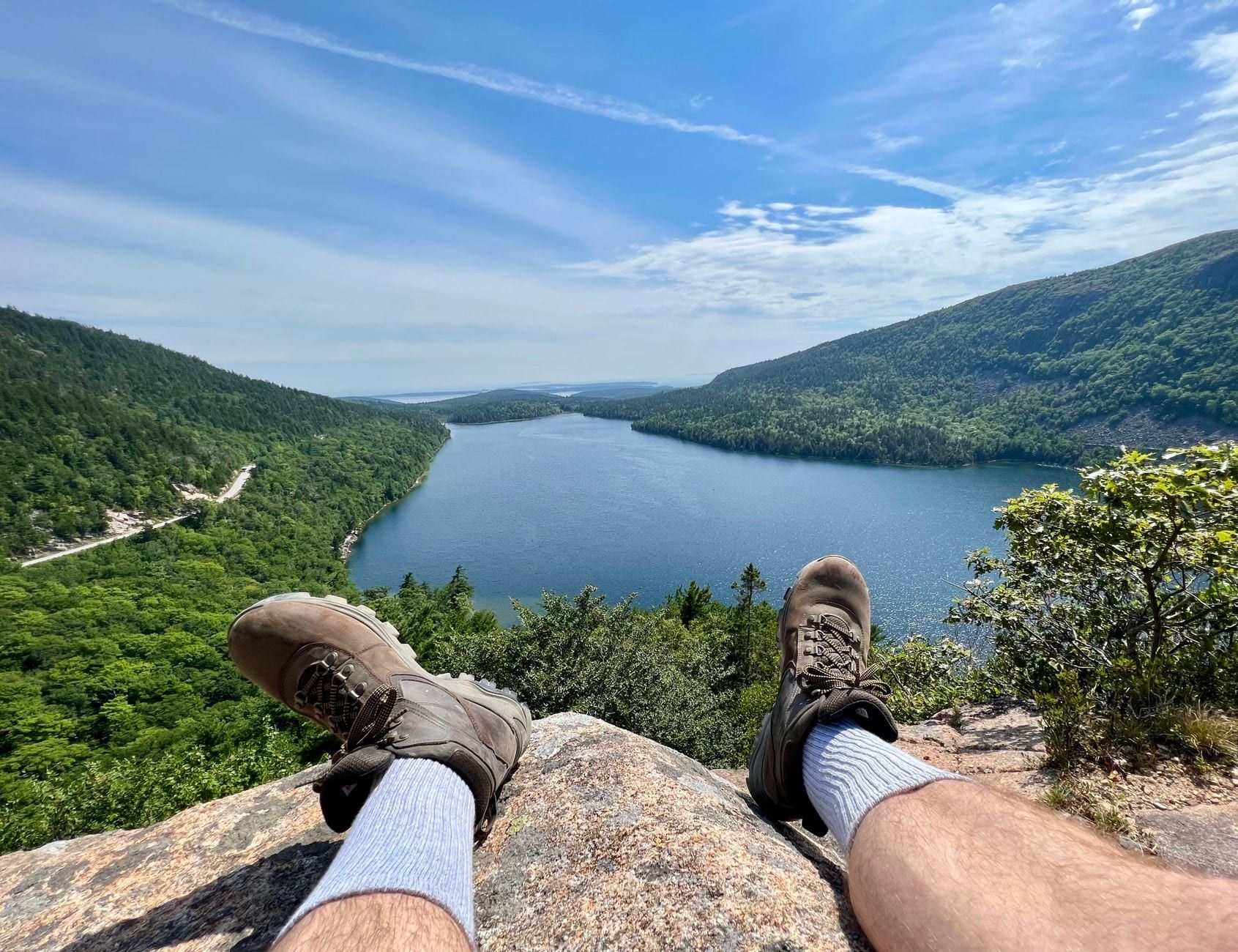
Acadia National Park never locks its gates, but winter strips away most of what makes a summer visit easy. Snow closes the Cadillac Summit Road, most of Park Loop Road, and every visitor center, leaving behind a colder, quieter park that only around 50,000 people bother to see between December and March. That's roughly 2% of Acadia's four million annual visits — and most of those visitors are Maine locals, not tourists.
This guide covers what's actually open, how cold it really gets, and what's worth doing once the summer crowds and most services disappear. For the park's full history and year-round highlights, see our complete guide to Acadia National Park.
Is Acadia National Park Open in Winter?
The road closures follow a fixed calendar. From December 1 through April 14, Park Loop Road shuts to vehicles except for Jordan Pond Road and the stretch between Schooner Head Road and Otter Cliff Road, the two sections that stay plowed all season. That rules out driving to Sand Beach, Thunder Hole, or the Cadillac Mountain summit; all three turn into ski and snowshoe routes instead until the road reopens in mid-April. It's a longer closure window than most New England parks use, reflecting how fast ice makes granite dangerous underfoot and under tires.
Hulls Cove Visitor Center closes for the season, so the Bar Harbor Chamber of Commerce at 2 Cottage Street becomes the de facto information hub, open 8am to 4pm daily from November through April. You'll still need a park pass regardless of season — a 7-day vehicle pass costs $35, an individual pass for anyone arriving on foot or bike is $20, and an annual Acadia pass is $70 (full pricing and hours are on our hours and fees page). The Schooner Head Road entrance station sells passes year-round, and automated machines at Hulls Cove and the Schoodic Institute run around the clock.
The reward for the closures is space. Only about 50,000 people visit Acadia between December and March, roughly 2% of the park's four million annual visits, and most are Maine locals rather than out-of-state tourists. Spots that need a parking reservation and patience in August — Sand Beach, Thunder Hole, Jordan Pond — sit under snow with nobody around. If solitude is the point of your trip, this is the season that delivers it.
When Winter Hits Acadia: Weather, Snow & Best Months
Winter arrives early on Mount Desert Island and doesn't let go quickly. Snow can fall as early as November, and the core season, the stretch with reliable snowpack, runs December through February and sometimes into March. The park's own road closures reflect that: they hold from December 1 to April 14, longer than most New Englanders would call 'winter.'
Average temperatures make the case for real layers. December runs 34°F/17°F (high/low), January drops to 29°F/10°F, and February climbs slightly to 31°F/13°F, with precipitation on seven to ten days most months. Those figures are for sea level around Bar Harbor — Cadillac Mountain's summit runs colder and far windier, and the National Park Service warns that conditions there can swing from clear and calm to a whiteout within the hour. A warm afternoon on Ocean Drive can turn raw and windy within an hour once fog rolls off the water, so dress in layers you can shed or add.
Snowfall averages around 60 inches a year, but that number swings hard from one winter to the next. A light year barely dusts the carriage roads; a heavy one buries them under several feet. January and February are the safer bet for skiing conditions, and December is milder for a shorter trip but less reliable for snow. If those odds don't appeal, our season-by-season guide breaks down the rest of the year.
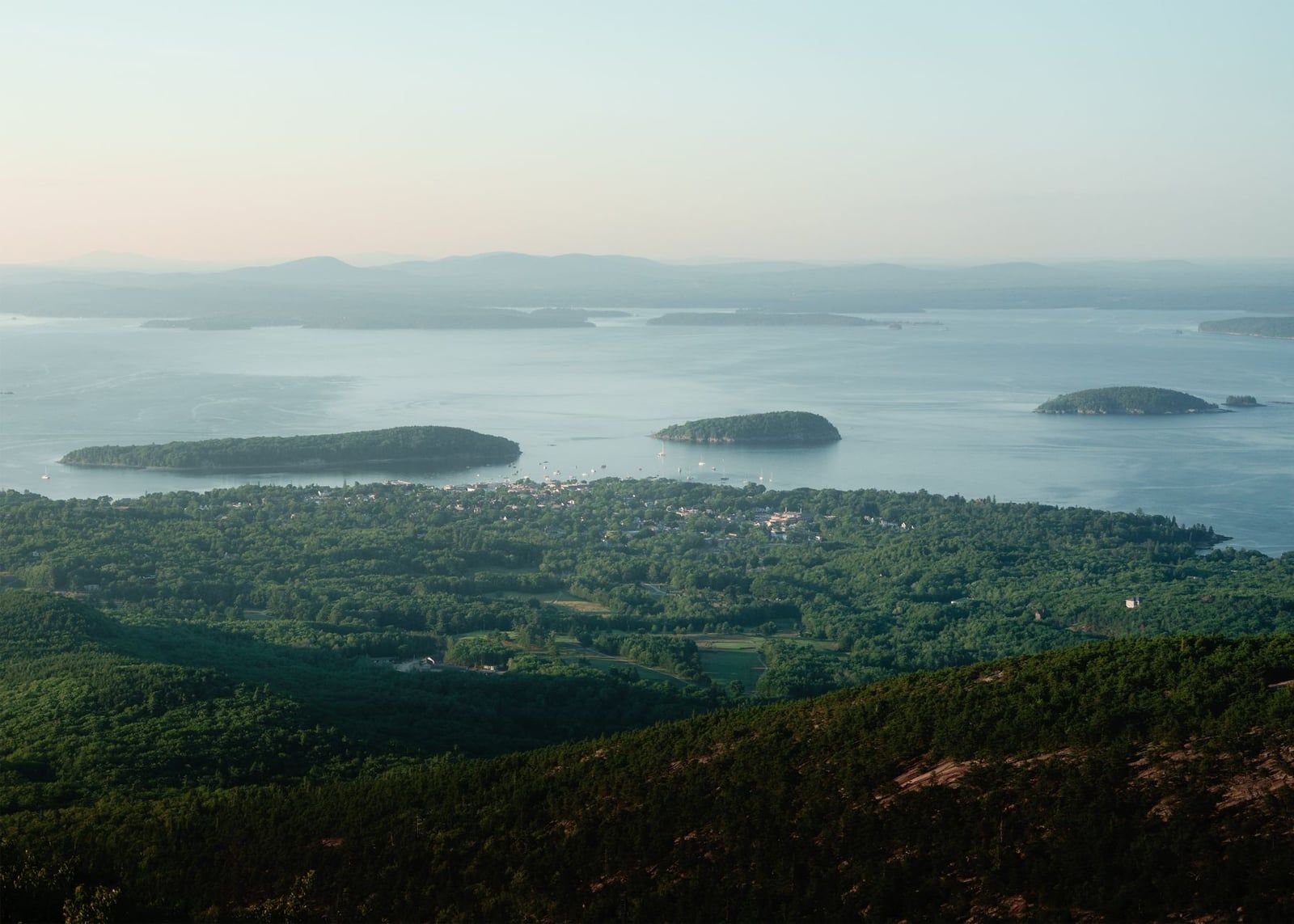
Best Things to Do in Acadia in Winter
Winter narrows Acadia's activity list to what actually works in snow and ice, but what's left holds up: groomed ski routes, quiet trails, and views most summer visitors never get without a crowd of other cars around them.
Cross-Country Skiing and Snowshoeing on the Carriage Roads
The 45 miles of carriage roads built for John D. Rockefeller Jr. beginning in 1913 are Acadia's best winter asset. Roughly 32 of those miles get groomed with ski tracks once snowfall passes six inches and the roadbed freezes solid, work done by volunteers with Friends of Acadia and the Acadia Winter Trails Association. Crushed stone and Rockefeller-era grades built for horse carriages make for gentle, scenic skiing that's hard to find elsewhere on the East Coast. Snowshoers use the same network without conflict; there's room for both. Rentals aren't available at the carriage roads themselves, so bring your own gear or borrow a pair before driving up from Bar Harbor.
Winter Hiking: What to Walk and What to Skip
Stick to the coast. Ocean Path, Ship Harbor, Wonderland, and the Jordan Pond Loop stay walkable through most of the season and don't need much beyond microspikes. The National Park Service steers hikers away from steeper mountain routes in winter, since trail markers disappear under snow and granite ledges turn to glare ice. Save Beehive and Precipice for summer, when our trail-by-trail hiking guide covers them properly; in winter, their iron rungs are a hazard, not a highlight.
Cadillac Mountain at Sunrise, the Hard Way
Between roughly October 7 and March 6, Cadillac Mountain's summit is one of the first places in the continental United States to catch the sunrise. In summer that's a short drive; with the summit road closed in winter, it's a hike or ski of about seven miles round-trip on the South Ridge Trail, climbing over a thousand feet in the dark. Treat it as a serious outing, not a casual detour. Bring a headlamp, real traction, and a turnaround time you'll actually respect if the wind picks up.
Scenic Driving on Ocean Drive and Jordan Pond Road
Two sections of Park Loop Road stay plowed all winter: Ocean Drive, past Sand Beach and Thunder Hole, and Jordan Pond Road, which reaches the Jordan Pond parking area even though the restaurant is closed. Sargent Drive, along Somes Sound, stays unplowed and makes a quieter alternative for skiers and snowshoers who'd rather skip the carriage roads for a day. A self-guided audio tour works well here, since Ocean Drive needs no shuttle or live guide to enjoy.
Snowmobiling, Ice Fishing, Skating, and Climbing
Snowmobiles are allowed on the 27-mile Park Loop Road system, including the road up Cadillac Mountain, plus most of the park's fire roads, at speeds up to 35 mph on pavement and 25 mph on dirt. There are no rental outfitters on Mount Desert Island, so this mostly draws locals who trailer in their own machines. Ice fishing is legal on the larger lakes and ponds with a Maine freshwater fishing license, and skaters use the same frozen surfaces when conditions allow, though Acadia's ponds rarely freeze evenly and a solid-looking crust can hide open water nearby. Guided ice climbing on frozen cliffs and waterfalls draws a smaller crowd; go with someone who knows the current ice, not alone.
Winter Birdwatching at Schoodic Point
Schoodic Point, the only mainland section of Acadia, is the park's best cold-weather birding spot. Sea ducks, loons, and other winter species gather where the pink granite meets open water, and the quiet six-mile loop road makes for easy scanning from the car or a short walk. Bring binoculars and dress for the wind; there's no shelter along the point, and the open Atlantic exposure makes it feel colder than the forecast suggests.
What to Wear and Pack for Winter in Acadia
Ice, not cold, is what actually catches people out here. Acadia's granite trails glaze over fast, and the National Park Service specifically recommends traction devices for anyone stepping past a parking lot.
- A three-layer system: moisture-wicking base, fleece or down mid-layer, waterproof windproof shell
- Microspikes or crampons, plus trekking poles, for icy trails
- Insulated waterproof boots, wool socks, a warm hat, and mittens
- A headlamp for pre-dawn or after-dark hikes
- Snowshoes if you're leaving the groomed carriage roads
Cadillac Mountain Sports, with locations in Bar Harbor and Ellsworth, rents cross-country skis, snowshoes, and ice skates if you'd rather not haul gear north for a short trip.
What's Closed (and What Stays Open) in Winter
Plan around a short list of what's open, not a long one of what's closed.
- Park Loop Road beyond Ocean Drive and Jordan Pond Road
- Cadillac Summit Road and Hulls Cove Visitor Center
- The Island Explorer shuttle bus
- Jordan Pond House restaurant and its popovers
- Every campground in the park — no winter camping is allowed anywhere in Acadia
What stays open is enough to build a trip around:
- Ocean Drive and Jordan Pond Road, for driving, walking, or skiing
- The Bar Harbor Chamber of Commerce info desk, 8am-4pm daily
- Seven maintained public restrooms, including Sand Beach and Jordan Pond
- All 45 miles of carriage roads and most coastal hiking trails
The no-camping rule is worth repeating, since older trip reports disagree: the National Park Service is explicit that there's no backcountry camping, no overnight parking, and no winter camping anywhere in Acadia, whatever an old blog post about Blackwoods Campground might say. Book a room in town instead — rates there drop well below summer and fall pricing once the crowds leave.
Where to Stay and Eat Near Acadia in Winter
Bar Harbor remains the only practical base, even though a good share of its hotels and restaurants close for the season. A handful of inns operate year-round at off-season rates, and it's worth calling ahead rather than trusting a booking site, since listings aren't always current in January. Expect fewer breakfast options and no reservations needed anywhere, a rare trade in a town used to summer waits. The Bar Harbor Chamber of Commerce keeps an updated list of businesses still open through the winter.
Dining follows the same pattern: a small core of restaurants stay open year-round, but hours shrink and some close midweek. Camping inside the park isn't an option in winter, but a few private campgrounds outside Acadia's boundaries do operate seasonally, for anyone determined to sleep in a tent through a Maine winter. For a broader look at what else there is to see once the snow melts, our activity guide covers the rest of the calendar.
Winter Safety Tips for Visiting Acadia
Trails ice over fast, and the Park Service is blunt about the fix: turn back rather than push for a summit that's only safe in summer. Markers get buried, granite turns to glass, and what looks like solid footing can be a sheet of ice over rock. If you're unsure, retreat to the carriage roads or Ocean Path instead.
Daylight runs short, and cell service is unreliable off the coast road. Carry a paper map and a charged headlamp; don't rely on a phone for either navigation or light after four in the afternoon. Frostbite and hypothermia both move fast in wind and wet cold: watch for numbness, clumsy hands, slurred speech, or shivering that suddenly stops, and treat any of those as a reason to head back to the car.
Ponds and lakes rarely freeze evenly along this coast, and a patch that looks solid can hide open water a few feet away. Check ice thickness yourself before walking out, and check the NPS current-conditions page and the National Weather Service forecast the morning you leave. Conditions here can go from clear to socked-in within a few hours, and that's the one thing every source on Acadia agrees on.
Frequently asked questions
Is Acadia National Park open in the winter?
Yes — the park never closes, though most of Park Loop Road, including the Cadillac Summit Road, shuts to vehicles from December 1 through April 14. Visitor centers close too, but the Bar Harbor Chamber of Commerce runs a winter information desk at 2 Cottage Street.
Can you drive Cadillac Mountain in winter?
No. The Cadillac Summit Road closes for the season, so the only way up is on foot, snowshoes, or skis, typically via the South Ridge Trail, about seven miles round-trip with over a thousand feet of climbing.
Is camping allowed in Acadia in the winter?
No. The National Park Service is explicit that there's no backcountry, overnight, or winter camping allowed anywhere in the park during the off-season. Book a room in Bar Harbor or another nearby town instead.
How much snow does Acadia National Park get?
Acadia averages around 60 inches of snow a year, though totals vary widely from one winter to the next and tend to run higher at elevation than along the coast.
What is the best month to visit Acadia in winter?
December is milder and has a holiday feel, but January and February bring the most dependable snowpack for skiing and snowshoeing, with average highs of 29°F and 31°F. Whatever month you pick, check current conditions before you go, since Maine's coastal weather shifts fast.
Do I need an entrance pass to visit Acadia in winter?
Yes, everyone 16 and older needs a park pass year-round. Buy one at the Schooner Head Road entrance station, which stays staffed all winter, or from the automated machines at Hulls Cove and the Schoodic Institute.
Is it safe to hike in Acadia in the winter?
It can be, if you stick to the right trails. The Park Service recommends easier routes like Ocean Path, Ship Harbor, and the carriage roads over icy mountain trails, and suggests microspikes and trekking poles for anyone heading out.
Can you cross-country ski in Acadia National Park?
Yes. About 32 of the park's 45 miles of carriage roads get groomed for skiing once snowfall passes six inches and the ground freezes, work done by Friends of Acadia and Acadia Winter Trails Association volunteers. Snowshoers use the same network without conflict.