About All Tours Bike ToursBus ToursFrom Bar Harbor ToursSelf-Guided Audio Tours Directions Hours & Fees Guides
Find Tours 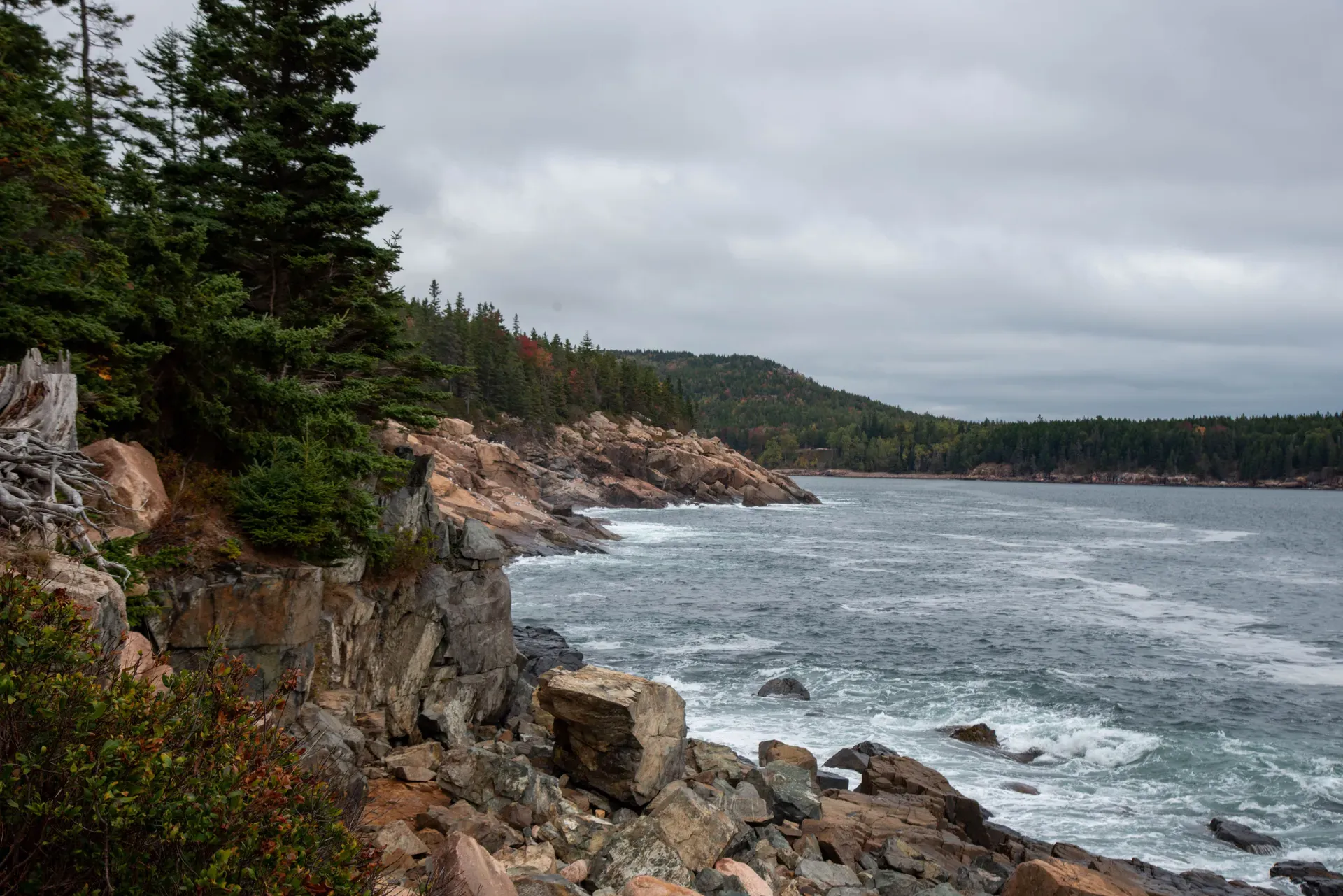
Drive to the 1,530-foot summit of Cadillac Mountain to catch the first sunrise on the U.S. Atlantic coast. You can spend the rest of the day biking 45 miles of crushed-rock carriage roads or watching 40-foot waves explode against the pink granite at Thunder Hole.
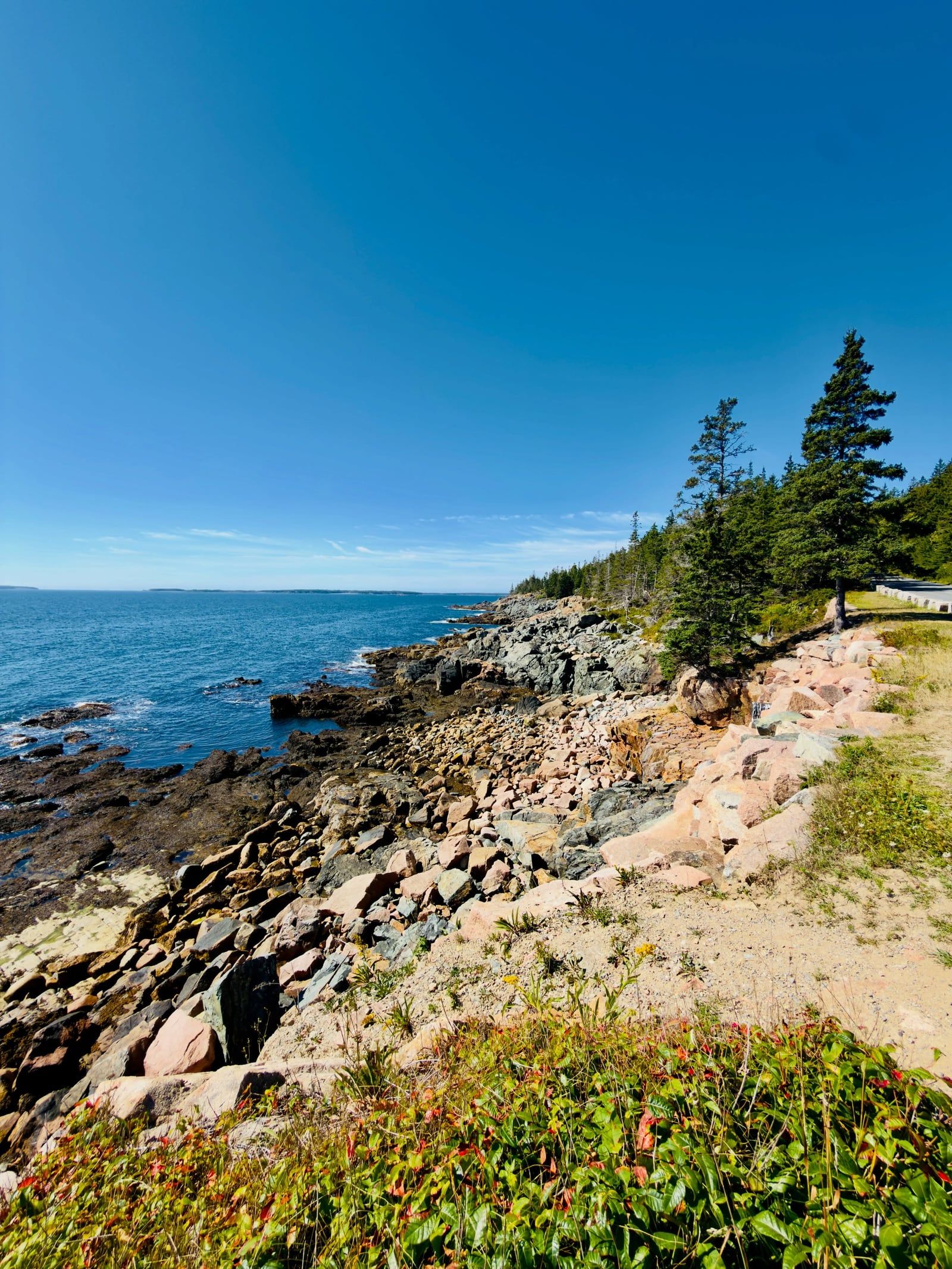
Find Guided ToursAcadia National Park covers more than 47,000 acres of Maine's Atlantic coast across Mount Desert Island, the Schoodic Peninsula, and Isle au Haut. It is a landscape of pink granite, narrow lakes, and U-shaped valleys bordered by nearly 64 miles of rocky shoreline. More than four million people visit each year. They come to hike 158 miles of trails and stand on Cadillac Mountain, which rises 1,530 feet from the sea to form the highest peak on the U.S. Atlantic seaboard.
Hundreds of millions of years of tectonic shifts and volcanism formed the bedrock. Later, Pleistocene continental glaciers carved the mountains and shaped the coastline. Acadia is the only National Park Service unit on the eastern seaboard with a glacier-carved coast.
Wabanaki peoples have lived in this coastal region since time immemorial, with shell heaps indicating encampments dating back roughly 5,000 years. Modern preservation began in 1901 when private citizens, led by George B. Dorr, started buying land to prevent development. Dorr donated 5,000 acres to the federal government. President Woodrow Wilson designated the area as Sieur de Monts National Monument in 1916, and three years later it became Lafayette National Park—the first national park east of the Mississippi River. Congress renamed it Acadia in 1929 after authorizing the acceptance of land on the Schoodic Peninsula.
Much of the current infrastructure exists because of wealthy donors. John D. Rockefeller Jr. financed and directed the construction of 45 miles of crushed-rock carriage roads beginning in 1913. These paths wind through the forests and cross 17 hand-cut granite bridges. Motor vehicles are banned on them today. Hikers, bicyclists, and horse-drawn carriages share the routes instead.
Discover the full history and cultural significance on our About page.
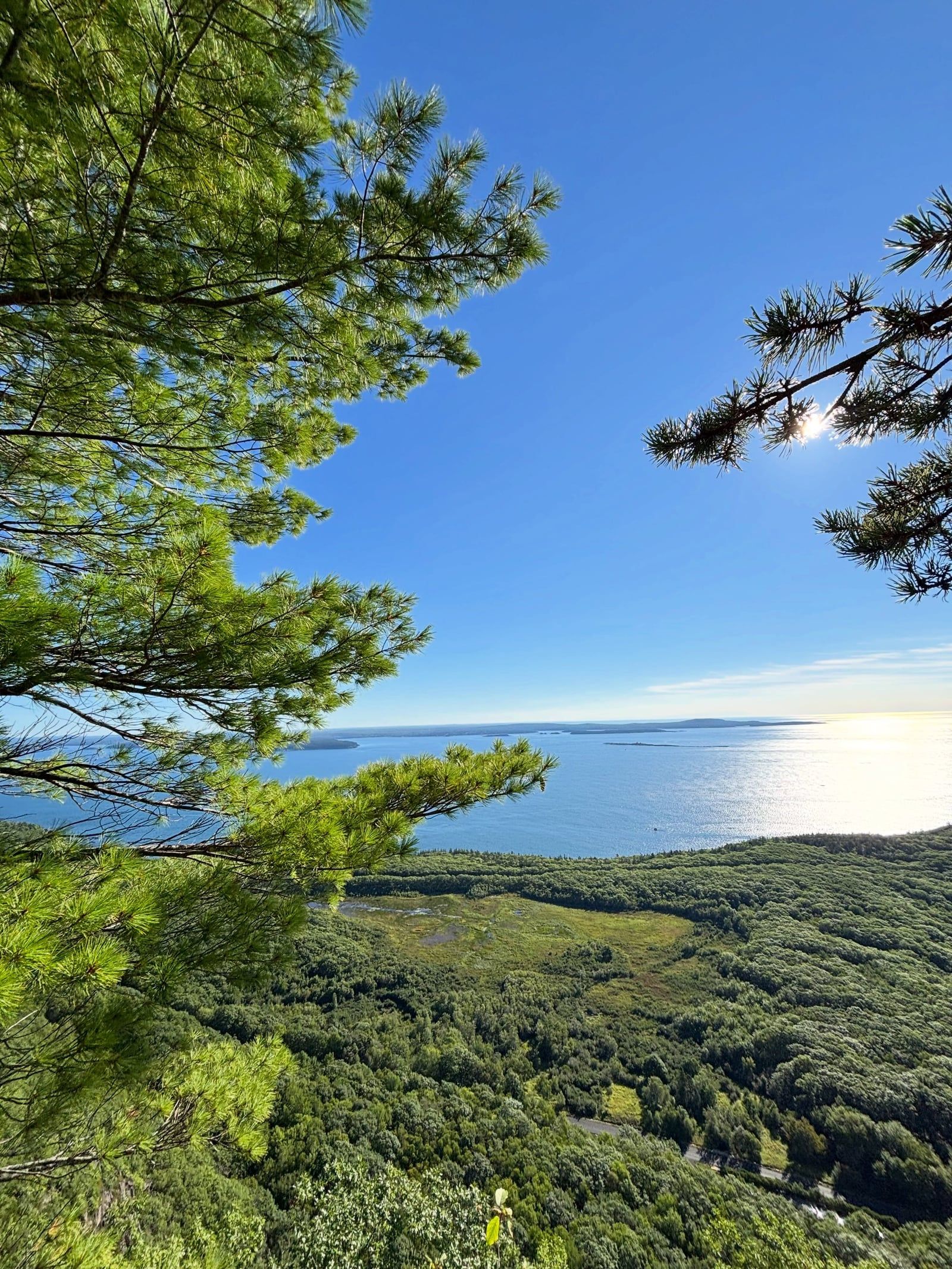
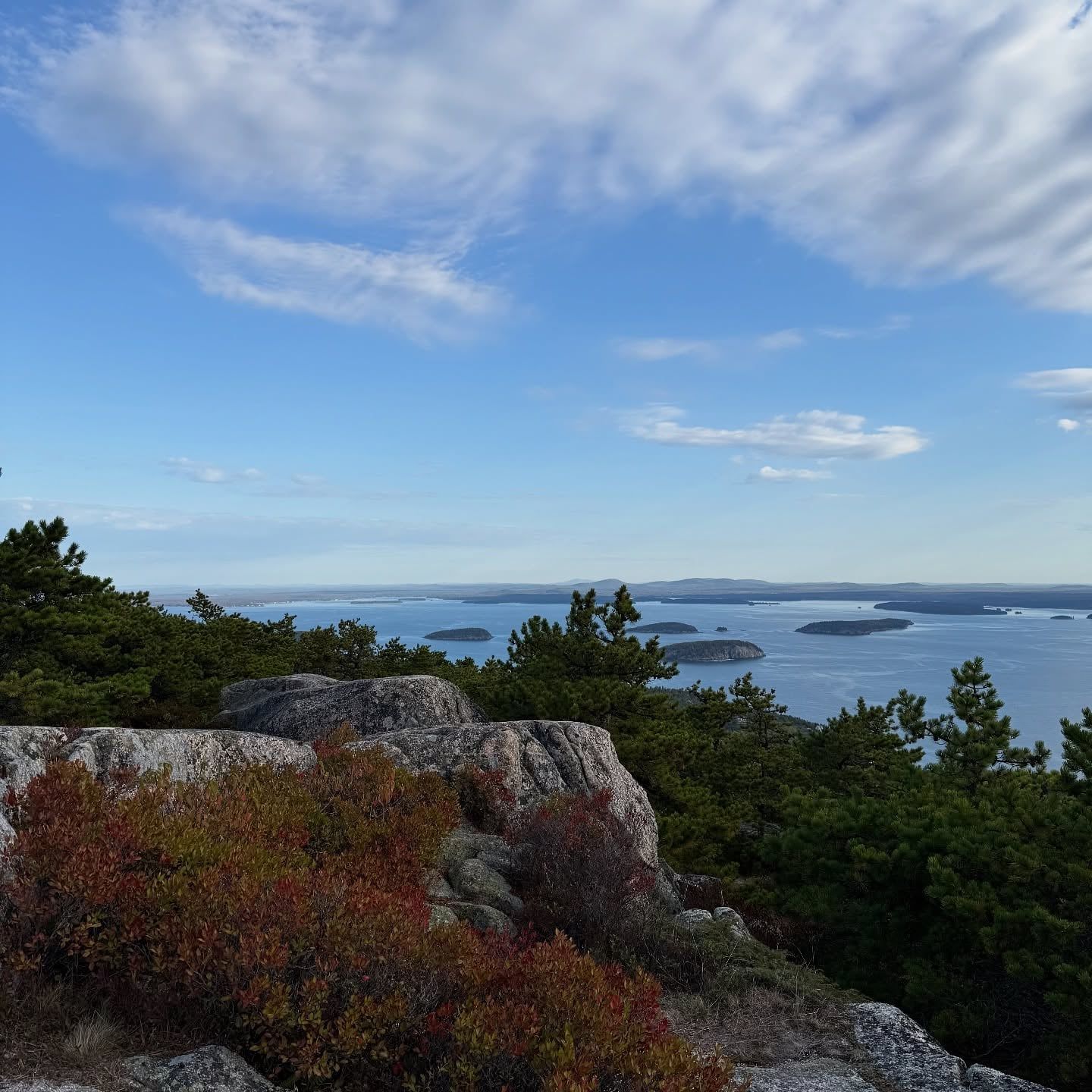
Drive up the 1,530-foot summit of Cadillac Mountain before dawn. From early October to early March, this granite peak is the first place in the continental United States to see the sun rise. You'll get 360-degree views of the Atlantic and the island's forested valleys.
Time your visit one to two hours before high tide along the Park Loop Road. Incoming Atlantic waves force air into a small, naturally carved cavern. The resulting compression triggers a heavy boom. Ocean spray blasts up to 40 feet in the air.
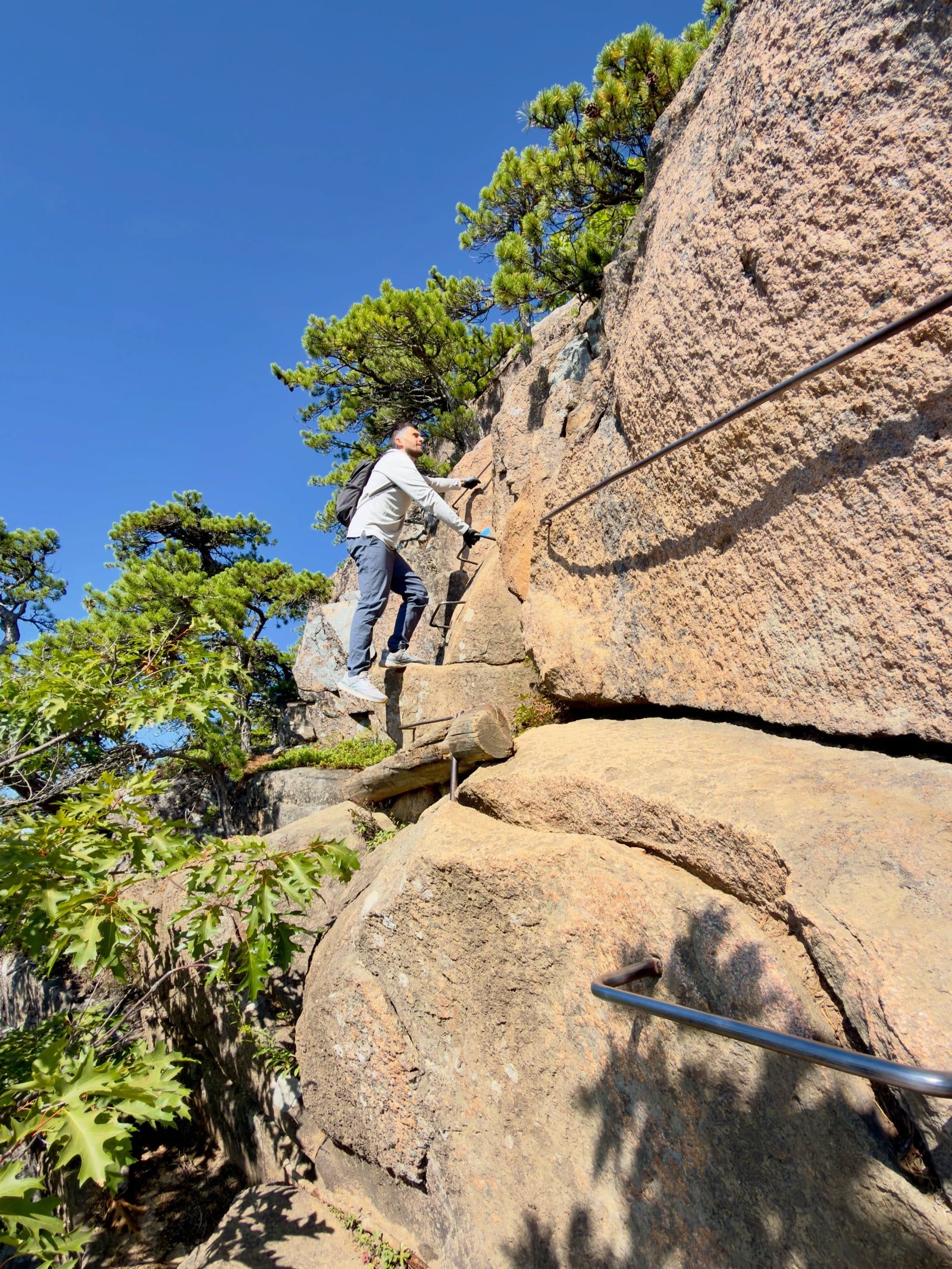
The Precipice Trail climbs Champlain Mountain's sheer eastern face, gaining 1,000 feet of elevation in under a mile. You pull yourself up exposed granite ledges using iron rungs and ladders. It's a strenuous, non-technical route with steep drop-offs. Skip it if you fear heights or if it's raining.
John D. Rockefeller Jr. funded 45 miles of rustic crushed-rock roads starting in 1913. They wind through the forest and cross 17 hand-cut granite bridges. Motor vehicles are completely banned. Rent a bike to ride the gentle grades, or walk them for a flat route away from traffic.
Book self-guided audio drives from $14.44 or four-hour bus trips with hotel pickup, all with free cancellation 24 hours prior.
Swipe to see more
 Free Cancellation 2h 30min
 Free Cancellation 4h
 Free Cancellation
 Free Cancellation 4h 30min Free Cancellation 4h 30min
 Free Cancellation
 Free Cancellation 6h
 Free Cancellation 7h Free Cancellation 2h 30min Free Cancellation 4h
 Free Cancellation 4h
 Free Cancellation 5h
Visit early June or September to get open facilities and mild weather without the heaviest crowds. Mid-October brings peak fall foliage, while summer offers full access alongside frequent coastal fog.
March stays closed and icy. Roads begin opening in mid-April, with visitor centers following in May. Mid-May starts the peak blackfly and mosquito season after rainy stretches.
Peak season brings the mildest temperatures and fully operational facilities, but also heavy traffic and regular coastal fog. Early June avoids the worst congestion. Blackflies linger until mid-month.
September provides mild weather and open roads with fewer tourists. Go in mid-October for peak fall foliage. By mid-November, unpaved roads close and visitor centers shut down.
Harsh conditions and ice storms make access difficult. Most park roads, campgrounds, and visitor centers shut down entirely from December through March. Only a few coastal picnic areas stay open.
Acadia National Park is open 24 hours a day, 365 days a year. But access shifts with the seasons. You can drive the Schoodic Loop and use the Sand Beach, Fabbri, Seawall, and Frazer Point picnic areas in any month. The main Park Loop Road and most paved routes operate from mid-April to December 1. Unpaved roads open mid-May to mid-November. Visitor centers close for the winter. Hulls Cove Visitor Center runs roughly May 1 to October 31, Sieur de Monts Nature Center from mid-June to mid-October, and the Rockefeller Welcome Center from May 1 to October 27. Campgrounds generally welcome visitors from May through mid-October. The remote Duck Harbor site on Isle au Haut shortens that window, operating mid-June to early October.
| Category | Price |
|---|---|
| Private vehicle (valid 7 days) | $35.00 |
| Motorcycle (valid 7 days) | $30.00 |
| Individual on foot or bicycle (age 16+) | $20.00 |
| Children under 16 | Free |
| Annual Acadia Park Pass | $70.00 |
| Non-US resident surcharge (age 16+) | $100.00 |
Driving the Cadillac Summit Road between May 20 and October 25 requires a separate $6.00 timed vehicle reservation, booked in advance through recreation.gov. Many fee stations across the park do not accept cash. Bring a credit or debit card. Federal America the Beautiful passes cover standard entry fees, and the National Park Service waives entrance costs on select holidays like Presidents Day, Memorial Day, and Independence Day weekend.
For complete schedules and ticket prices, visit our Hours & Fees page.
Most visitors arrive by driving up the Maine coast or flying into nearby regional airports before renting a car. The fare-free Island Explorer shuttle handles the final connections between local towns and the park's trailheads.
The drive from Boston covers roughly 280 miles. Take Interstate 95 north to Augusta, then switch to Route 3 east through Ellsworth straight onto Mount Desert Island. You can also stay on I-95 all the way to Bangor before cutting east on Route 1A. Expect the trip to take four and a half to five hours.
Direct flights leave Boston's Logan International Airport and land at Hancock County-Bar Harbor Airport. This regional airstrip sits just 10 miles from the park boundary. From there, you rent a car for the short final drive. The flight itself takes about 45 minutes, skipping the long highway haul up the coast.
This propane-powered bus network connects Bar Harbor and neighboring communities directly to Acadia's trailheads, campgrounds, and carriage road entrances. It runs continuously from mid-June to mid-October. Hop on to skip the peak-season parking bottlenecks at major sites. The entire service operates fare-free, funded largely by the sale of park entrance passes.
Reaching the park's most remote section requires a multi-leg journey. First, drive roughly 60 miles from Bar Harbor to the coastal town of Stonington. Leave your car there and board the local mail boat. The passenger ferry crosses the water to Isle au Haut, dropping hikers near the historic Duck Harbor campground.
For detailed transport options and routes, visit our Directions page.
Skip the lines at fee stations by buying your $35 vehicle pass on recreation.gov before you arrive. You will still need a credit or debit card inside the park. Several locations no longer accept cash.
Driving up the highest peak on the Atlantic coast requires a separate $6 timed reservation from mid-May through late October. Spots vanish quickly during the peak summer season. Secure your ticket on recreation.gov well in advance. Once up there, you can stay until the road closes at 9 pm.
Parking lots at Sand Beach and Thunder Hole fill to capacity by mid-morning from June into September. Leave your car behind. Ride the fare-free Island Explorer shuttle bus instead. It runs from mid-June to mid-October and stops at campgrounds, carriage roads, and major trailheads.
Maine coastal weather shifts rapidly from cool mornings to warm afternoons. Summer often brings thick fog. Pack removable layers and rain gear to stay comfortable. If visiting between mid-May and mid-June, bring insect repellent to handle the heavy hatches of blackflies and mosquitoes.
The Precipice and Beehive trails require climbing iron rungs and narrow granite ledges. Avoid them if you dislike heights or if the rock is wet. Leave dogs behind, as pets are banned here. Check current conditions before heading out, since these routes close seasonally to protect nesting peregrine falcons.
Jordan Pond House serves famous popovers and tea on a lawn facing The Bubbles mountains. Expect a long wait if you arrive during peak summer lunch hours. Walk the flat, 3.3-mile gravel trail around the glassy water before eating. Wheelchair users can easily navigate the paved sections near the edge.
This coastal town operates as the primary gateway to Acadia. Walk the Bar Harbor Shore Path for clear views of Frenchman Bay and the Porcupine Islands. You'll also find restaurants, shops, and whale-watching tours.
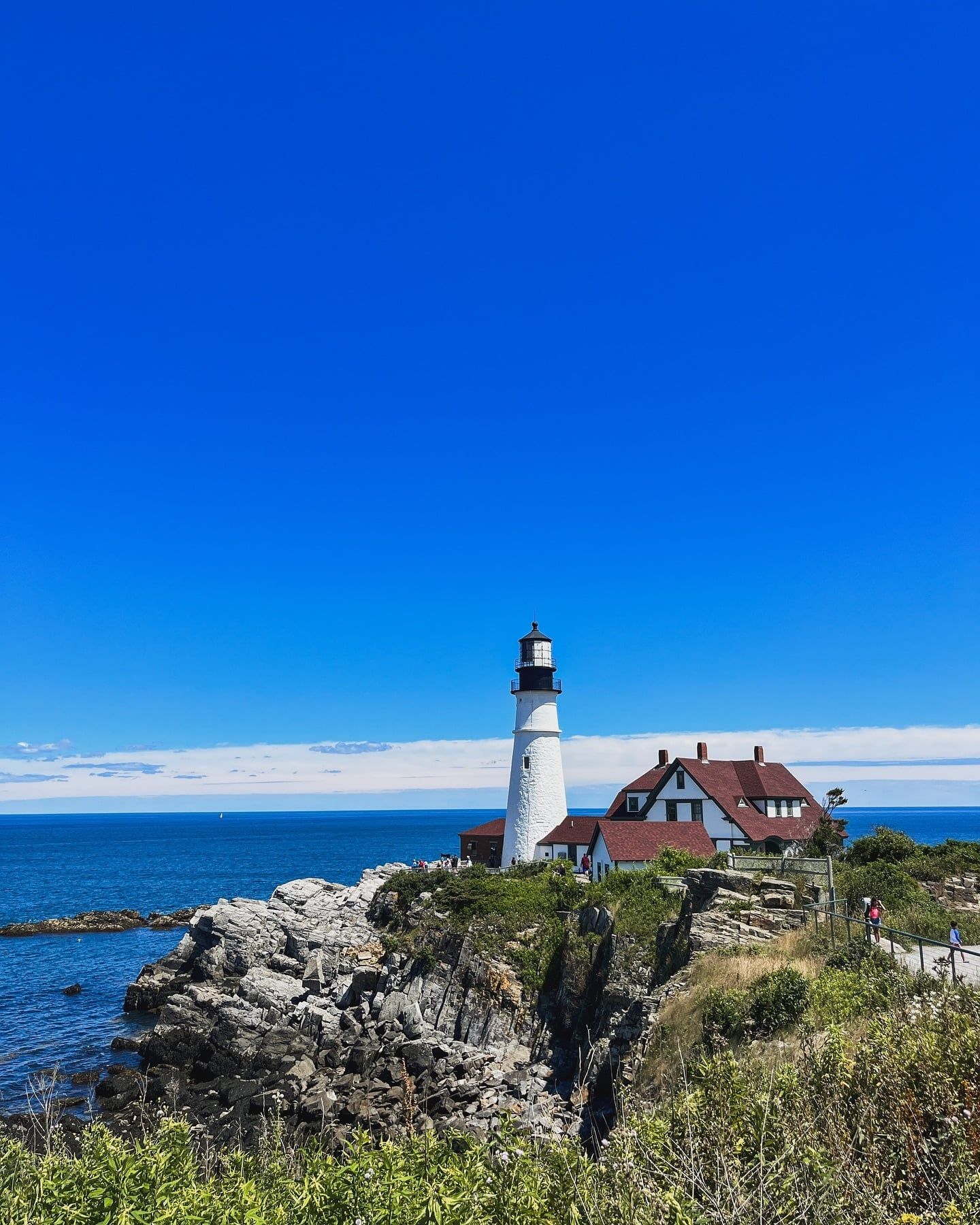
This Maine lighthouse sits perched on a rocky ledge directly above the water. Photographers frequently target the structure. It gets especially popular right at sunset.
The most remote section of Acadia requires a mail boat ferry to reach. Hikers come here for rugged trails and a historic lighthouse. A small fishing village provides absolute solitude.
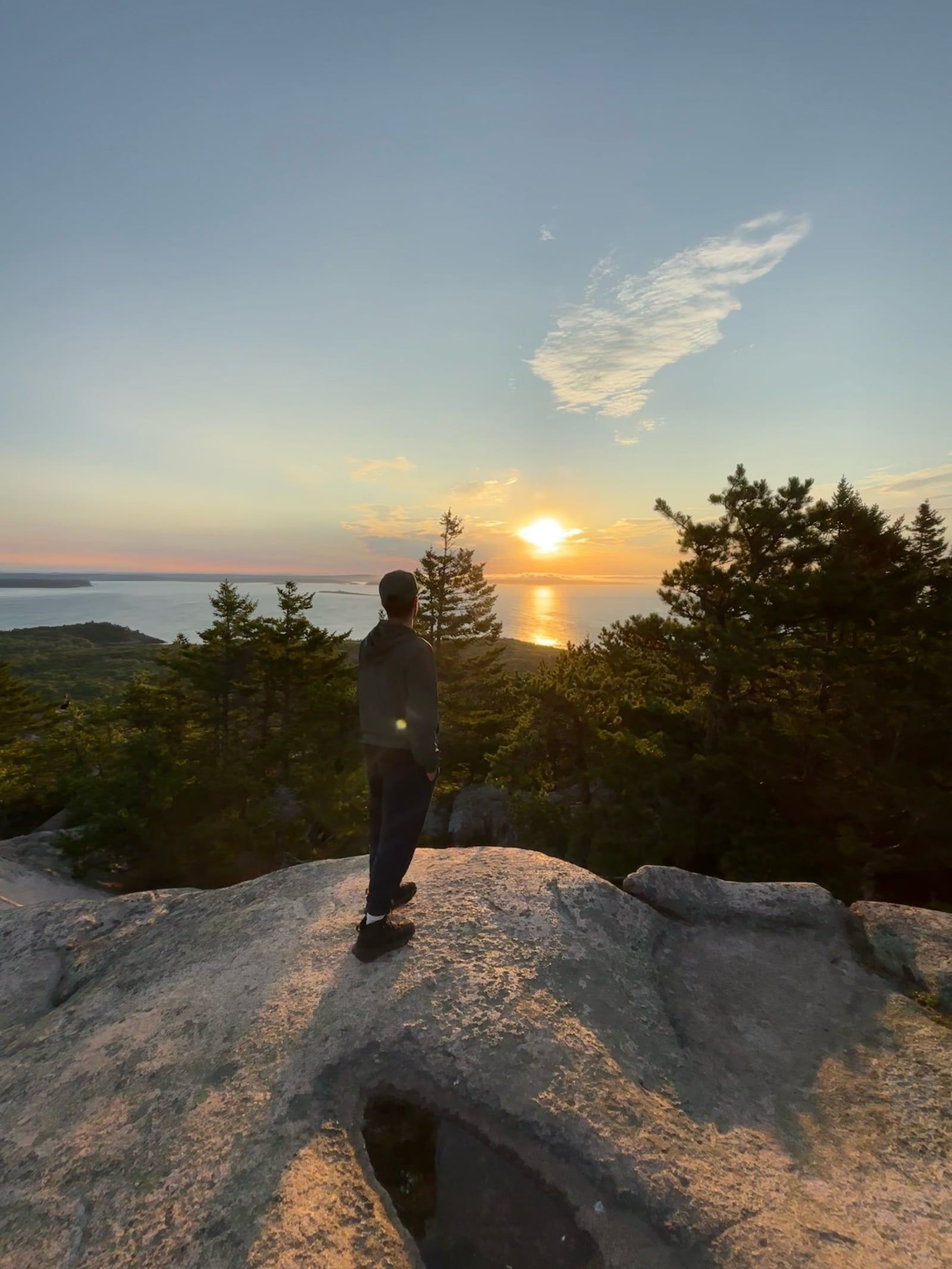
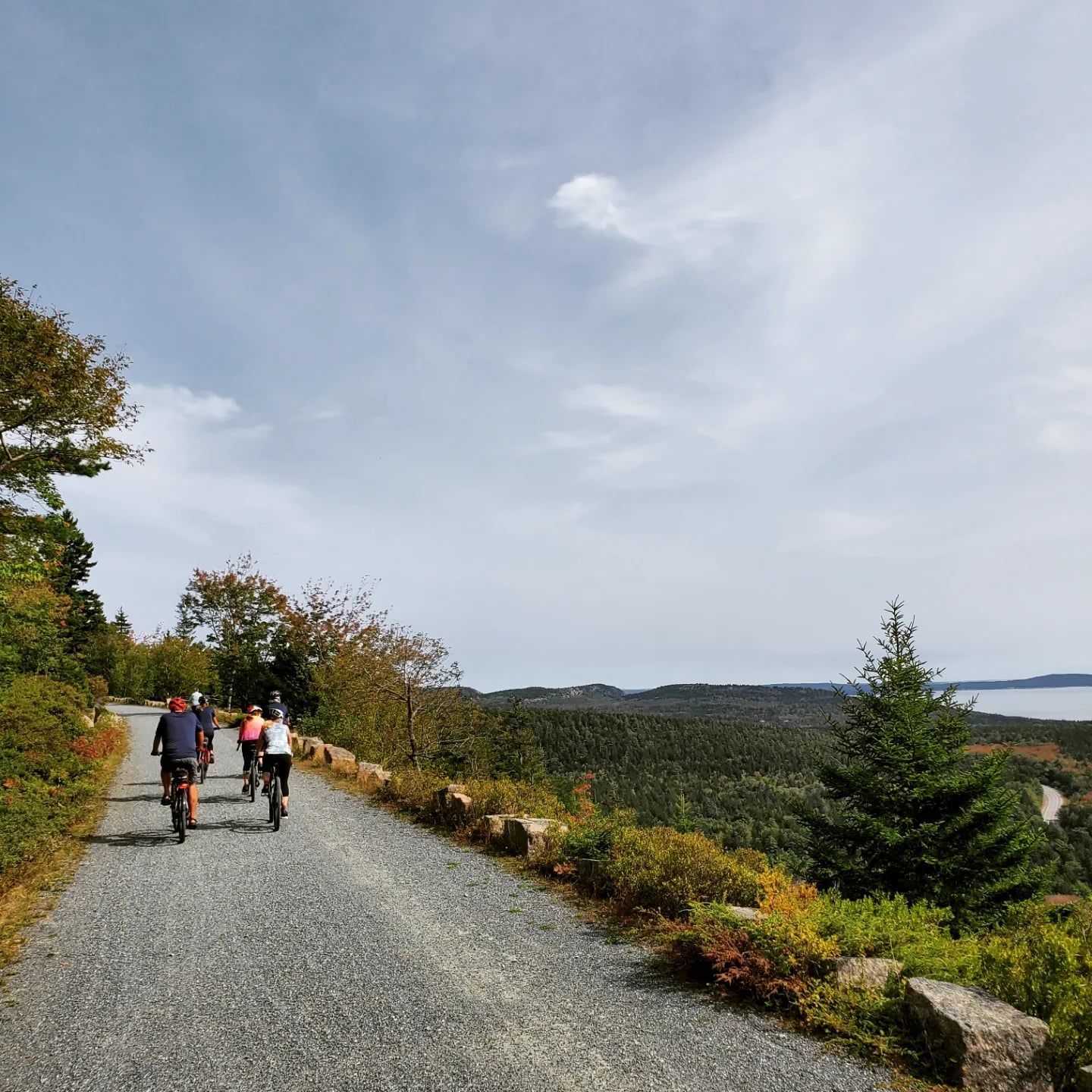
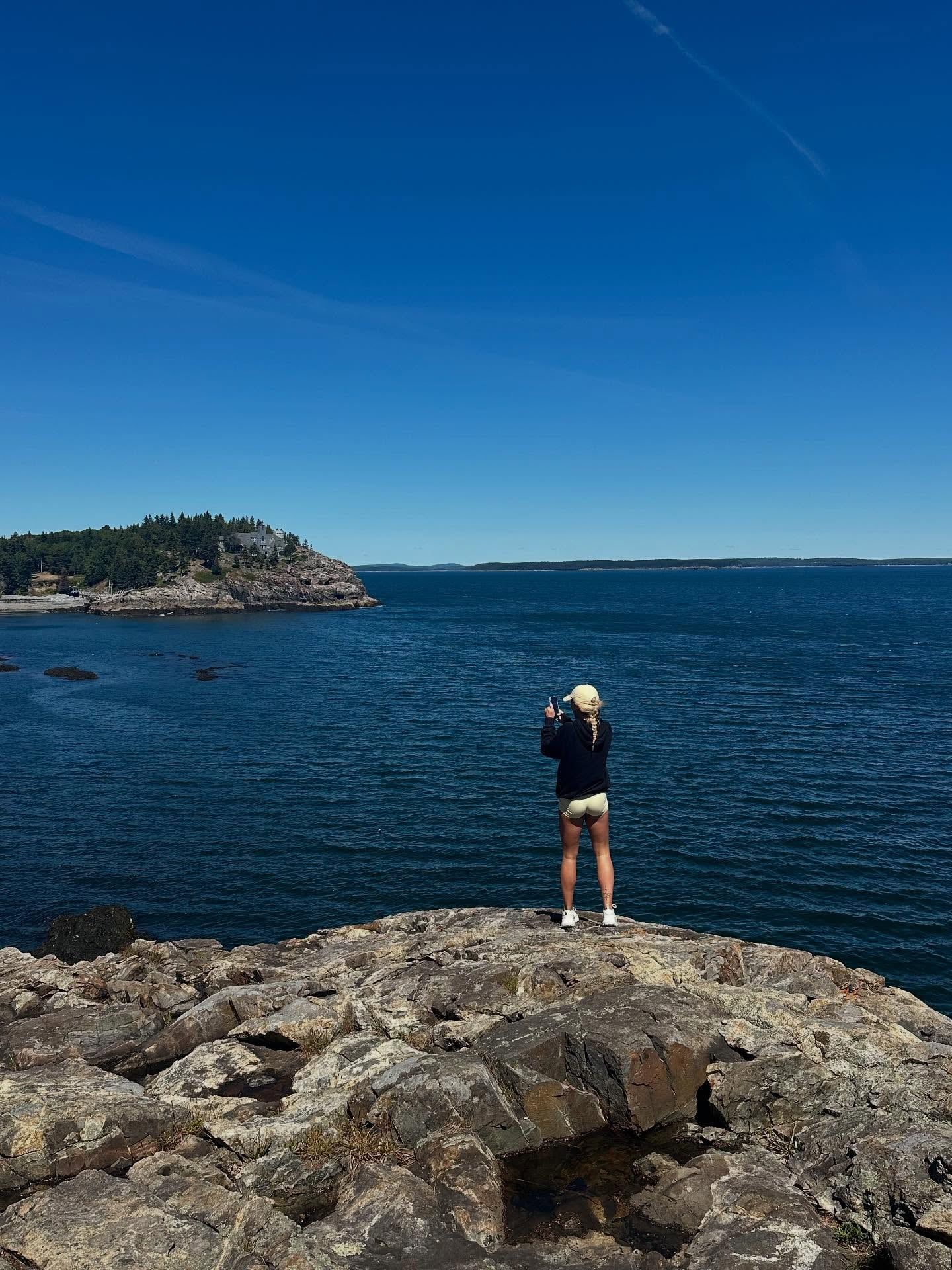
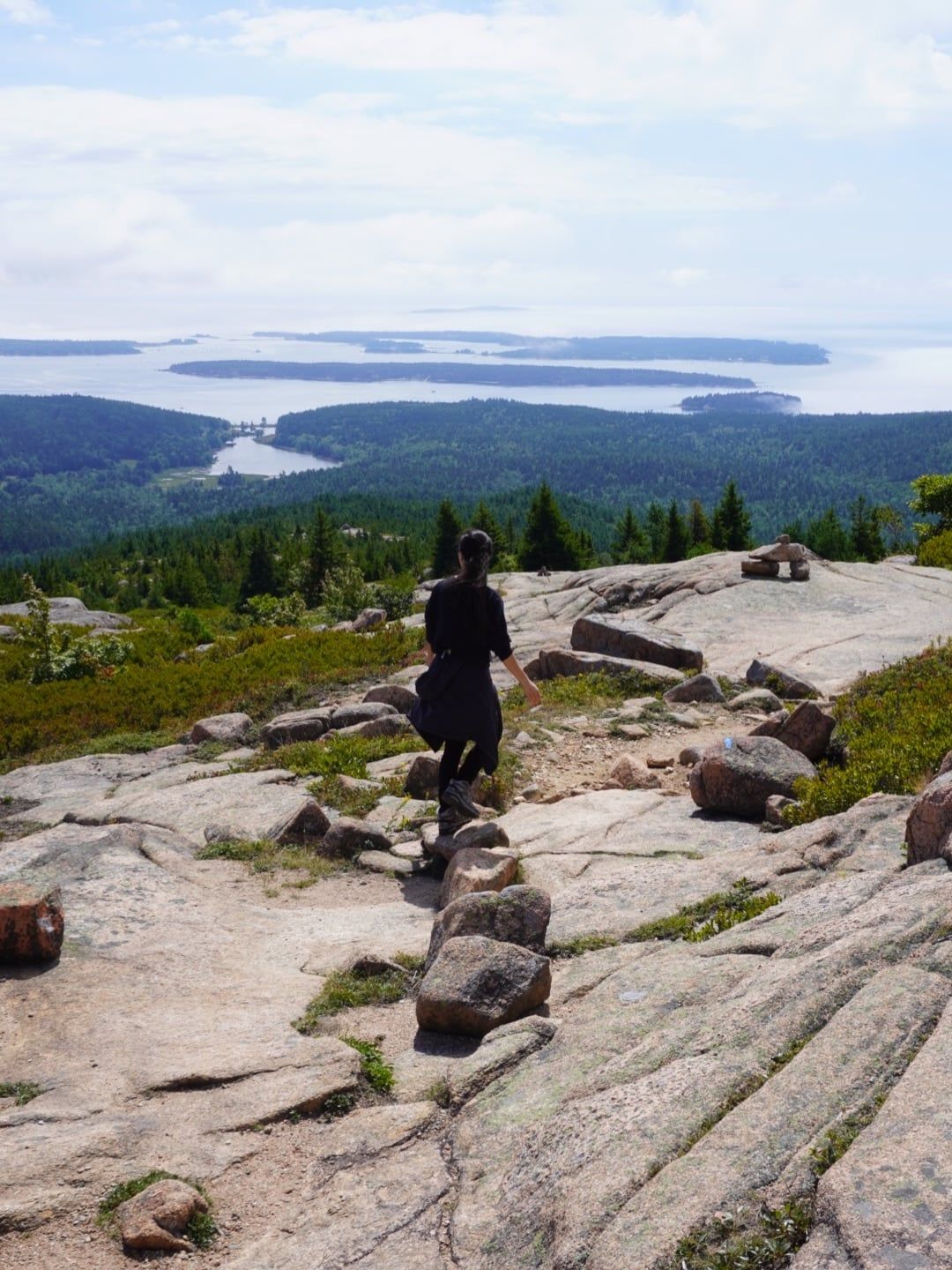
Read what travelers share about their experience visiting Acadia National Park — from practical tips to personal highlights.
Planning advice, comparisons, and practical tips.
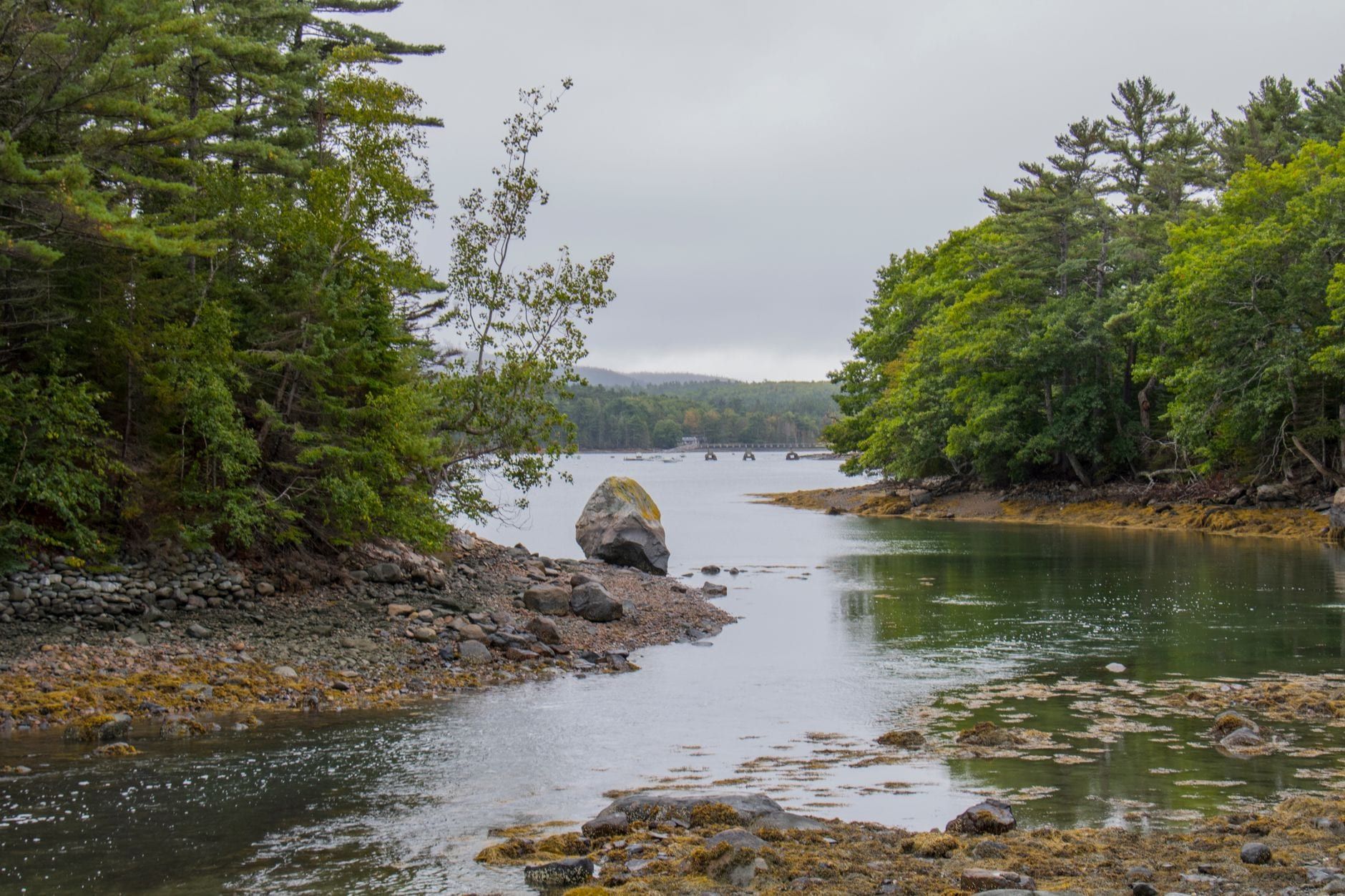
Ask a park ranger what animal visitors most want to see and the answer is almost always the same: moose. Ask which animal they'll actually see and…
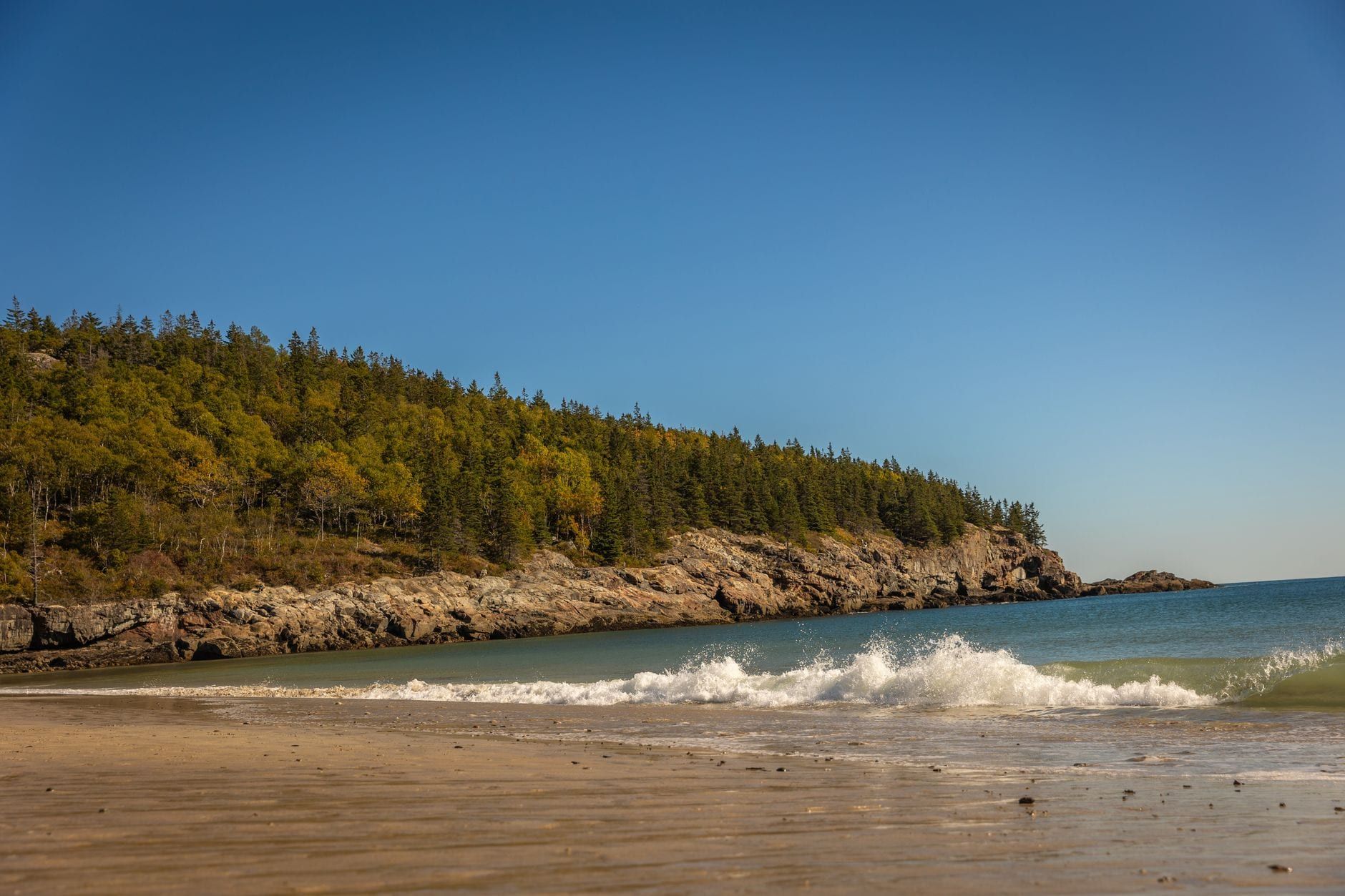
Acadia packs some of the East Coast's best granite scrambling, sea-cliff walking, and pond-side ambling into a park you can cross end to end in under…
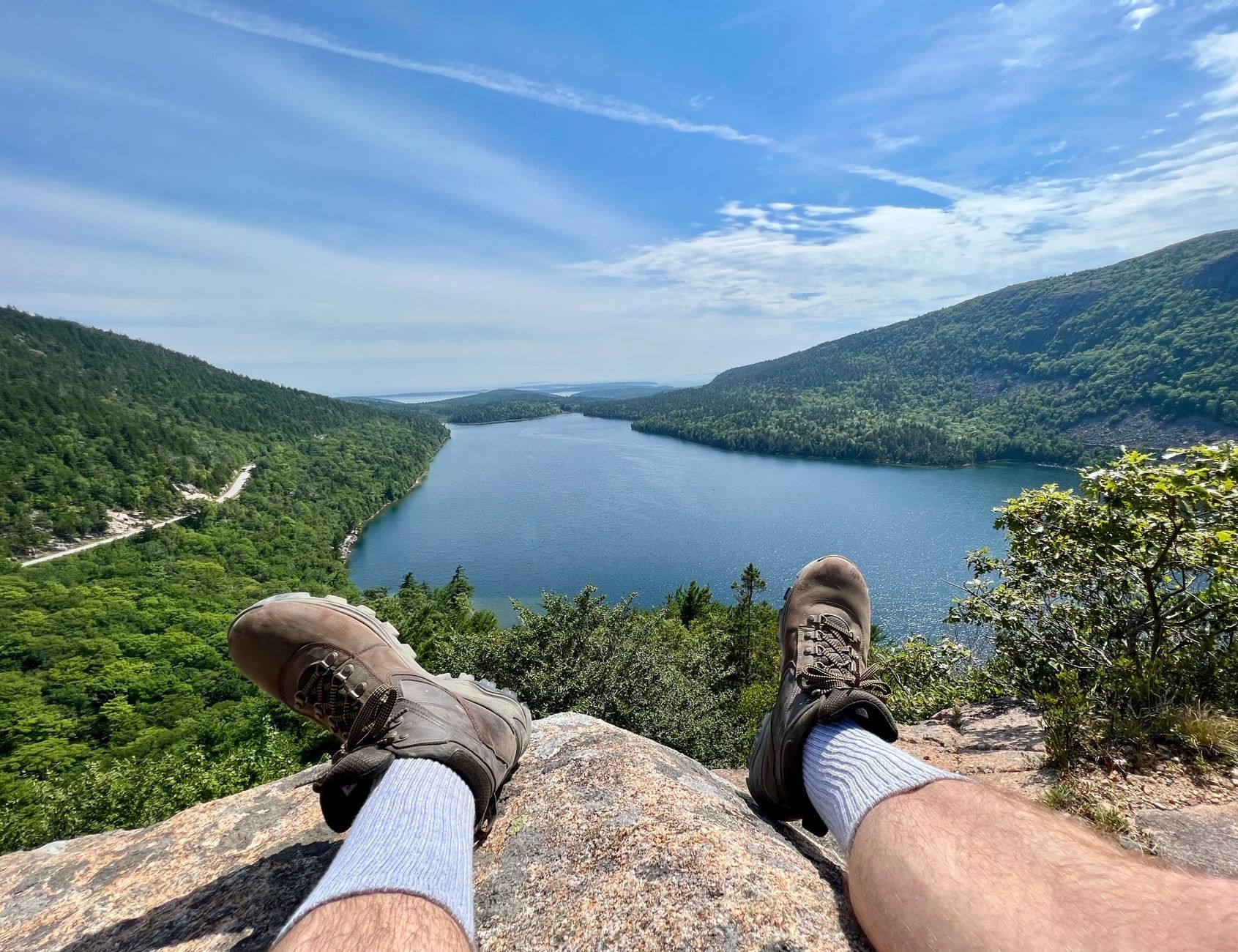
Acadia National Park never locks its gates, but winter strips away most of what makes a summer visit easy. Snow closes the Cadillac Summit Road, most…
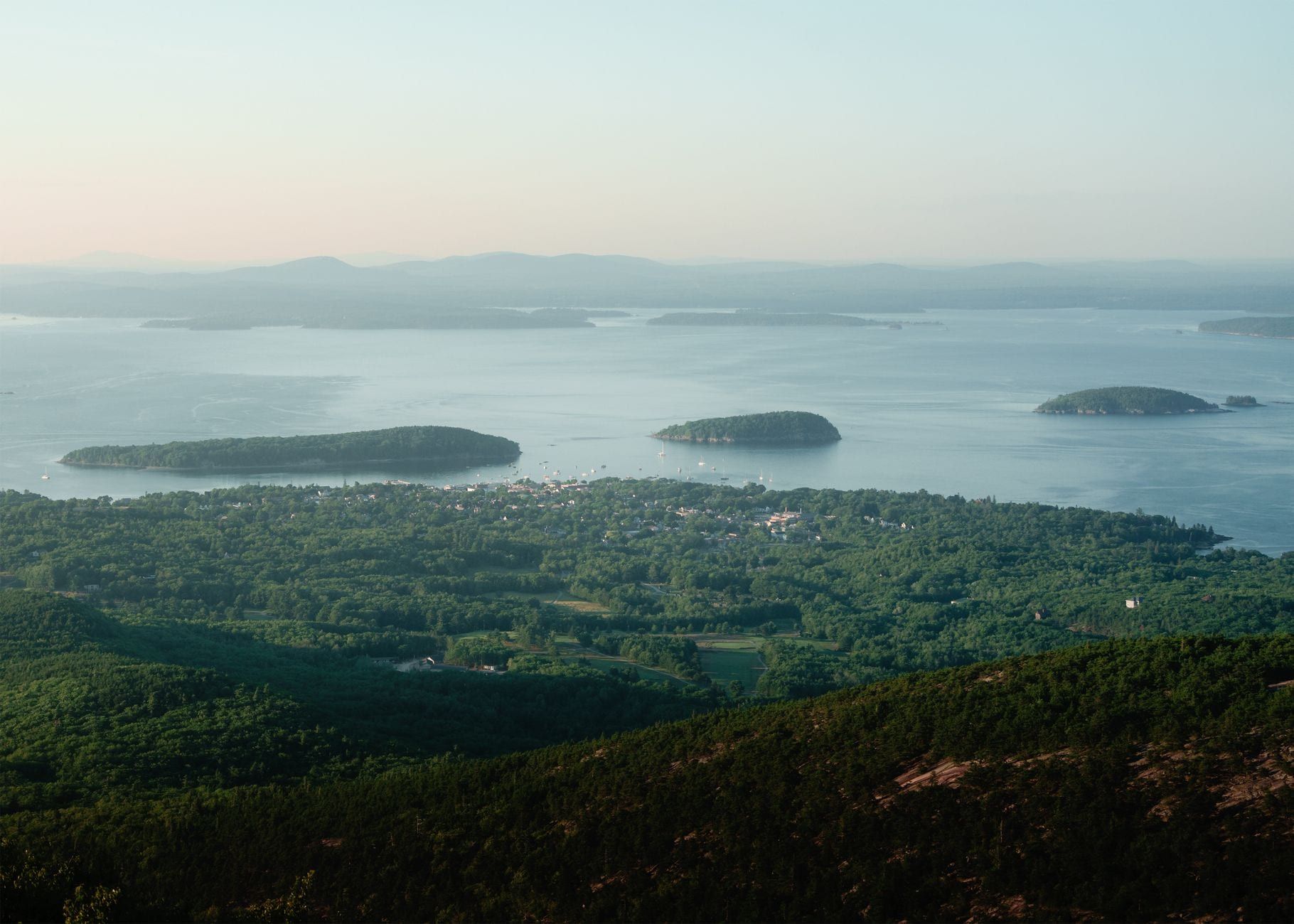
Early June and the stretch from mid-September into the first week of October — that's Acadia's sweet spot. Both windows land after (or before) the…
A seven-day vehicle pass costs $35. Pedestrians and cyclists pay $20 each. Non-US residents aged 16 and older face an additional $100 fee unless they hold a valid federal pass, and you'll need a card since several locations reject cash.
You don't need a reservation to enter the park itself, just the standard entrance pass. But driving the Cadillac Summit Road between roughly May 20 and October 25 requires a $6 timed vehicle ticket. Book this in advance through recreation.gov because spots sell out fast.
September and early October offer the best balance of open facilities, fewer crowds, and peak fall foliage. Summer brings full services but heavy traffic and frequent coastal fog. Skip mid-May to mid-June unless you pack heavy insect repellent to deal with peak blackfly and mosquito hatches.
Fly into the Hancock County-Bar Harbor Airport 10 miles from the park, or Bangor International Airport about an hour away. From mid-June to mid-October, you can ride the fare-free Island Explorer shuttle. These propane-powered buses connect local towns directly to campgrounds, carriage roads, and major trailheads.
Bring sturdy hiking shoes and dress in removable layers. Maine's coastal weather shifts rapidly from warm afternoons to cool, foggy mornings, even in July. You'll also need sun protection for the exposed granite summits.
Visitors can use the Jesup Path boardwalk and the paved trails around Jordan Pond, which roll right to the water's edge. Wildwood Stables operates a custom-built, rear-ramp carriage that accommodates most wheelchair types. Thunder Hole provides two accessible parking spaces and a ramp down to a granite viewing platform.
You can bring your dog on most park trails and carriage roads if they stay on a leash no longer than six feet. Keep them off steep routes with iron rungs like the Precipice and Beehive trails. They're also banned from Sand Beach and Echo Lake Beach during the summer.
You'll need two to three days to hike the trails, ride the 45 miles of carriage roads, and walk around Jordan Pond. A quick driving tour of the 27-mile Park Loop Road takes about half a day. Most visitors stay between one and three days.
Browse verified tours with free cancellation and instant confirmation.
Find Tours
