About All Tours Bike ToursBus ToursFrom Bar Harbor ToursSelf-Guided Audio Tours Directions Hours & Fees Guides
Find Tours 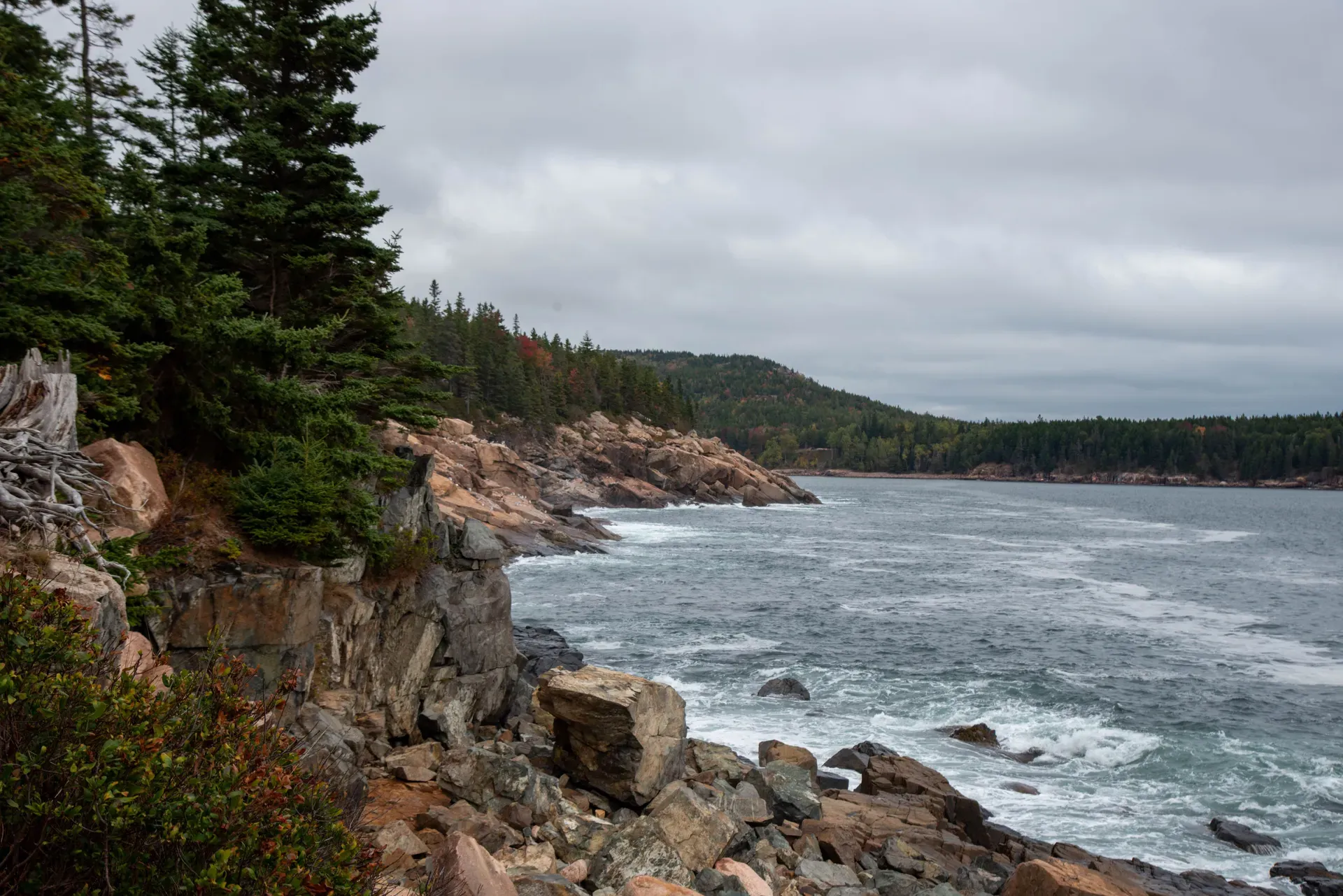
Acadia National Park occupies 47,000 acres of glacially carved granite, forests, and coastline on Maine's Mount Desert Island. It holds the highest peak on the U.S. Atlantic seaboard and 45 miles of historic carriage roads.
Acadia National Park occupies 47,000 acres across Mount Desert Island, the Schoodic Peninsula, and Isle au Haut on the coast of Maine. Glaciers carved this landscape, leaving behind 20 mountains, U-shaped valleys, and 64 miles of rocky shoreline. The park sits in a transition zone where temperate deciduous trees meet northern coniferous forests. More than four million people visit each year. A standard seven-day vehicle pass costs $35. Non-US residents over 15 pay an additional $100 surcharge.
The main draw is the Park Loop Road. This 27-mile paved route connects the major sights on Mount Desert Island. Sand Beach offers a 290-yard stretch of crushed shells against 55°F Atlantic water. Just south, incoming waves compress air inside a small granite cavern at Thunder Hole. The resulting pressure shoots water 40 feet into the air with a massive boom. That spray only happens one to two hours before high tide. Otherwise, you'll just hear a low gurgle in the rocks. Two designated accessible parking spaces sit at the Thunder Hole lot, with a ramp leading to a granite viewing platform.
Cadillac Mountain dominates the eastern half of the park. At 1,530 feet, it's the highest point on the eastern seaboard. You have to book a $6 timed vehicle reservation on recreation.gov to drive the summit road between late May and late October. The summit provides 360-degree views of Frenchman Bay and the Porcupine Islands. From early October to early March, it's one of the first places to see the sunrise in the continental United States. Crowds gather in the dark every morning.
The park extends beyond the main island. The Schoodic Peninsula sits an hour away by car on the mainland. It features a quiet six-mile paved loop through spruce-fir forests and massive waves crashing against Schoodic Point. Isle au Haut is even more remote. You reach it via a 45-minute mail boat ferry from Stonington. It has a small village, rugged trails, and the Duck Harbor campground. Most visitors spend one to three days in Acadia. June through October brings the mildest weather. Mid-May to mid-June brings intense blackfly swarms. Pack insect repellent if you go in spring.
The Wabanaki peoples have lived in this coastal region for 5,000 years. Shell heaps along the shore document their historical encampments and reliance on the ocean. These middens contain the remains of clams, mussels, and other marine life harvested over millennia. European settlement eventually displaced these communities and brought logging, fishing, and shipbuilding to Mount Desert Island. By the late 19th century, wealthy families from Boston and New York built massive summer estates in Bar Harbor.
George B. Dorr, a local resident, saw the increasing development and started buying land in 1901. He wanted to protect the mountains and coastline from logging and private construction. Dorr spent his fortune acquiring parcels and donating them to the federal government. President Woodrow Wilson designated 5,000 acres as Sieur de Monts National Monument in 1916. Three years later, Congress upgraded the site to Lafayette National Park. Dorr became the first superintendent. Congress renamed the park Acadia in 1929 after accepting land on the mainland Schoodic Peninsula. It was the first national park established east of the Mississippi River.
John D. Rockefeller Jr. financed and directed the construction of 45 miles of carriage roads between 1913 and 1940. He wanted a motor-free way to travel through the forests and mountains. His crews built 17 hand-cut granite bridges to span the park's streams and valleys. Each bridge has a unique design. The roads use crushed rock and gentle grades. They remain closed to cars today.
A massive fire in 1947 burned 10,000 acres of the park. The blaze destroyed many of the Bar Harbor estates and fundamentally changed the landscape. The forest regenerated over the following decades, replacing stands of spruce and fir with birch and aspen.
Today, the park relies heavily on private philanthropy. The Island Explorer shuttle system runs on propane and carries visitors from surrounding towns directly to the trailheads. Park entrance fees fund the service. Skip the driving and take the bus during July and August.
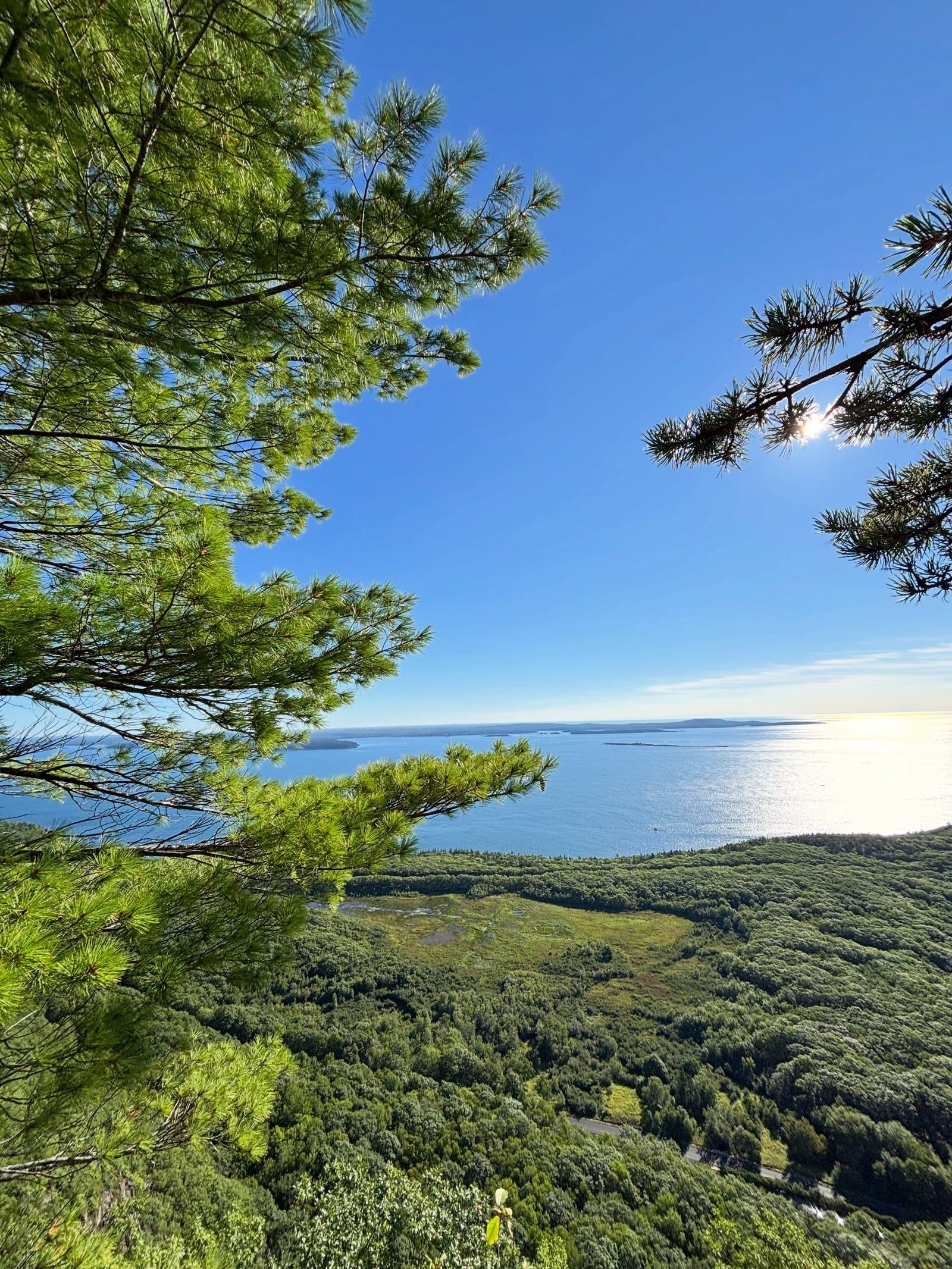
Hundreds of millions of years of tectonic collisions and volcanic activity formed the bedrock of Mount Desert Island. Magma cooled beneath the earth's surface to create the coarse-grained pink granite that defines Acadia's coastline. During the Pleistocene epoch, continental glaciers up to a mile thick dragged across this granite. The ice carved deep U-shaped valleys and rounded the mountain summits. When the glaciers melted, rising sea levels flooded the valleys to create the current islands and narrow lakes.
The park maintains 158 miles of hiking trails. The Precipice Trail climbs the sheer eastern face of Champlain Mountain. Hikers ascend 1,000 feet in under a mile using iron rungs, wooden ladders, and narrow granite ledges. It's a steep, exposed scramble with significant fall risk. Don't attempt it in the rain. The Beehive offers a shorter but similarly exposed rung-and-ladder climb above Sand Beach. The park closes these routes in spring and early summer to protect nesting peregrine falcons. Check the current trail status at the visitor center.
For easier terrain, the Ship Harbor and Wonderland trails provide flat walks to the ocean. Jordan Pond occupies a glacially carved basin in the center of the island. The water is clear, cold, and glassy, reflecting the twin granite peaks known as The Bubbles. A flat 3.3-mile gravel path circles the shoreline. Visitors in wheelchairs can access the water's edge here via the Jesup Path boardwalk. Eat at the Jordan Pond House afterward for popovers and tea, but expect a wait during the summer lunch rush.
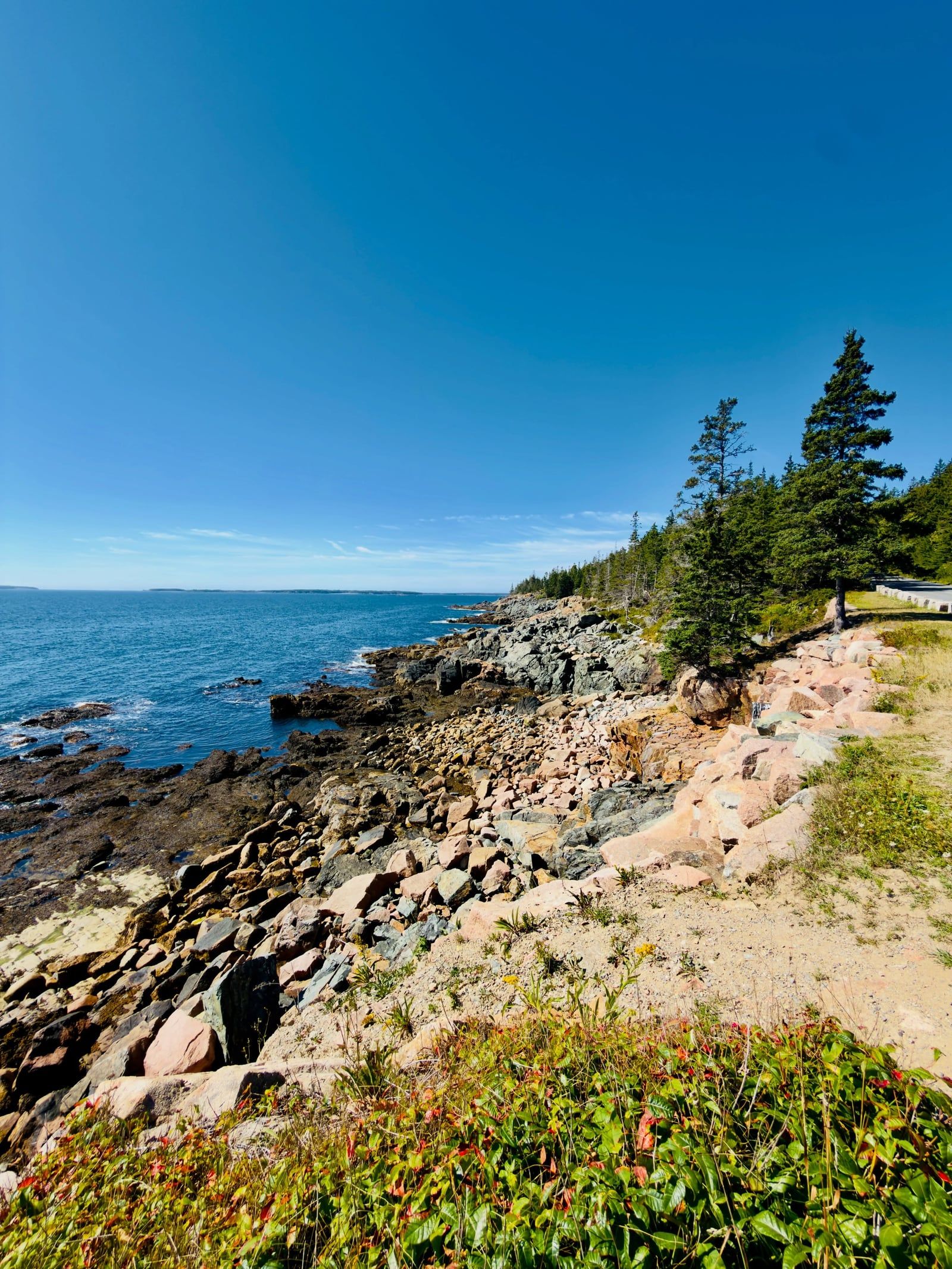
The coastline features sheer drops and rocky headlands. The ocean water stays cold year-round, hovering between 50 and 60 degrees Fahrenheit even in August. Swimmers at Sand Beach must navigate strong currents and sudden drop-offs. Winter storms bring ice and snow, forcing the closure of most park roads from December through spring.
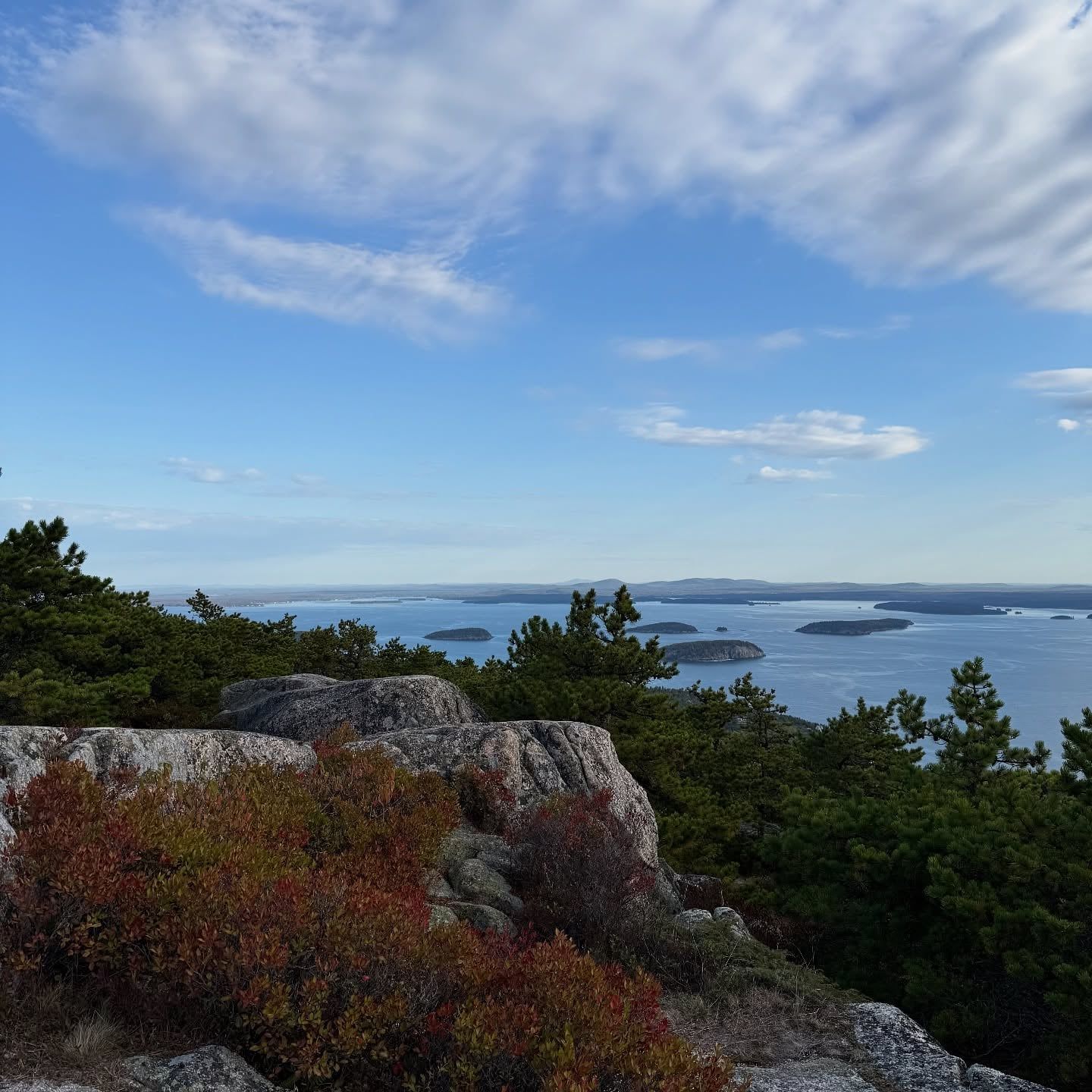
Acadia is the only National Park Service unit in the northeastern United States. It anchors the local economy of Bar Harbor and the surrounding Mount Desert Island communities. Fishing and lobstering remain active industries in the adjacent waters. The park's boundaries weave directly through working harbor towns, creating a patchwork of public and private land. Drones are entirely banned here without written superintendent approval. Pets must stay on a six-foot leash and are banned from Sand Beach between mid-June and early September.
The Wabanaki Confederacy maintains a deep connection to the land. This group includes the Maliseet, Micmac, Passamaquoddy, and Penobscot nations. The park consults with these tribes on resource management and the harvesting of sweetgrass. Artisans use this grass in traditional basket making. The Abbe Museum in Bar Harbor operates a location at Sieur de Monts to document and display Wabanaki history.
The carriage roads represent a major achievement in landscape architecture. Rockefeller designed them to follow the natural contours of the land. This approach preserved trees and minimized the visual impact of the infrastructure. The 17 granite bridges utilize local stone to blend into the forest. Walkers, cyclists, and horse-drawn carriages share the routes. A custom-built wheelchair-accessible carriage operates out of Wildwood Stables. Rent a bicycle in Bar Harbor to cover the most ground on these trails.
Private citizens built this park. Dorr and Rockefeller donated the land and infrastructure, setting a precedent for conservation in the eastern United States. That tradition continues today with the fare-free Island Explorer buses.
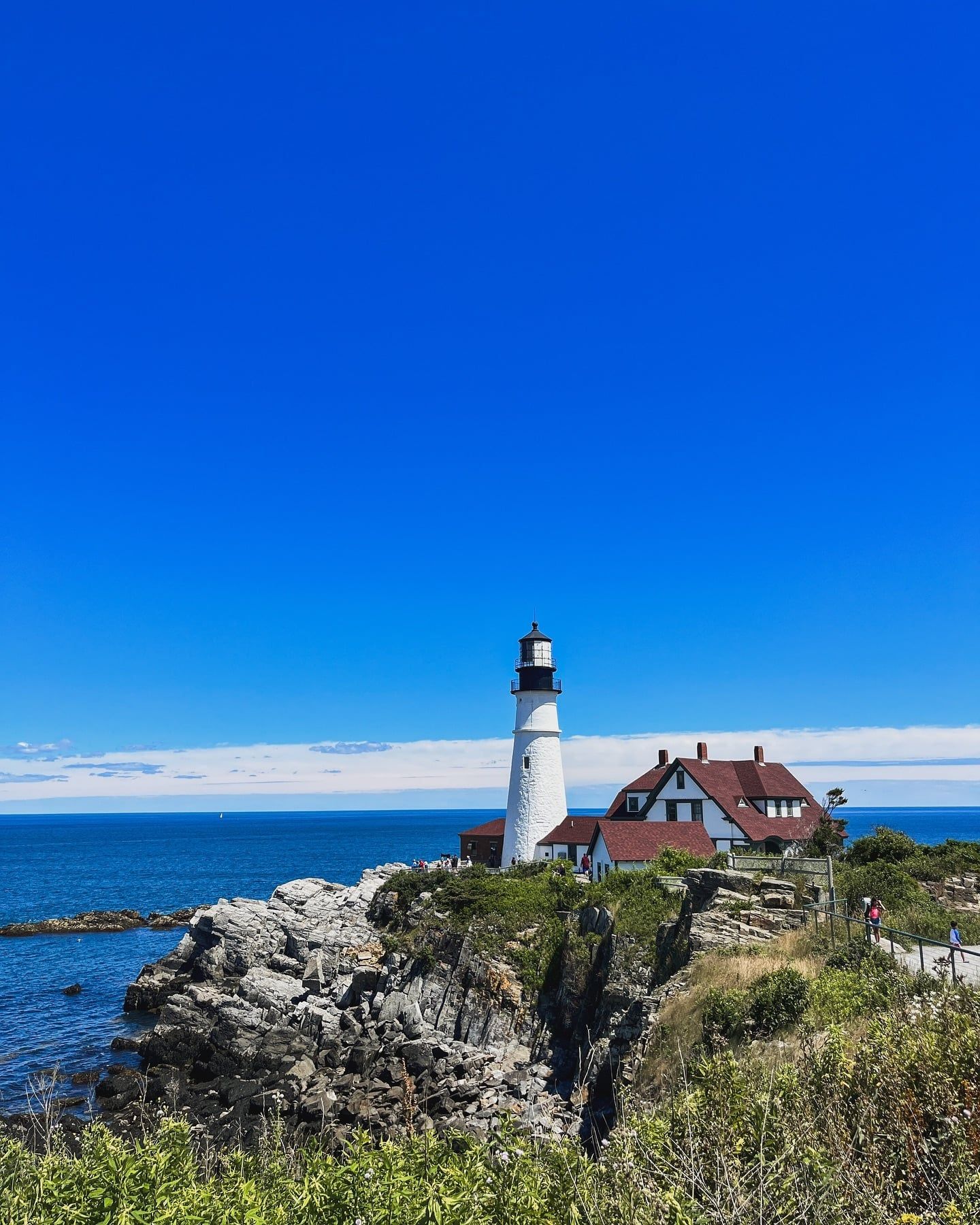
From early October to early March, Cadillac Mountain is one of the first places to see the sunrise in the continental United States.
John D. Rockefeller Jr. financed 17 hand-cut granite bridges along the carriage roads, each built with a completely unique design.
The 290-yard stretch of Sand Beach is not made of quartz sand, but mostly of crushed shells pulverized by the Atlantic surf.
A massive fire in 1947 burned 10,000 acres of the park, replacing the old spruce and fir forests with birch and aspen.
When established as Lafayette National Park in 1919, it became the first national park located east of the Mississippi River.
Non-US residents aged 16 and older must pay an additional $100 per-person fee to enter the park.
The park closes the Precipice and Beehive trails every spring and early summer to protect nesting peregrine falcons on the cliffs.
A standard seven-day private vehicle pass costs $35, a motorcycle pass costs $30, and an individual pedestrian or cyclist pass costs $20. Non-US residents aged 16 and older must pay a $100 per-person surcharge unless they hold an Annual or America the Beautiful Pass.
Yes. From roughly May 20 to October 25, you need a separate $6 vehicle reservation booked in advance through recreation.gov to drive the Cadillac Summit Road. The reservation provides a timed entry, but you can stay as long as you want until the road closes at 9 pm.
Peak fall foliage generally arrives in mid-October. Visitors can check Maine's statewide fall foliage website, which updates weekly, to track the exact peak in a given year.
Yes. The Island Explorer is a fare-free, propane-powered bus system that runs from mid-June to mid-October. It connects Acadia's main destinations with Bar Harbor and other Mount Desert Island towns.
Pets are allowed in most of the park on a leash no longer than six feet. However, they are banned from Sand Beach between June 15 and September 8, from public water-supply lakes, and from steep trails like Precipice and Beehive.
Cadillac Mountain stands at 1,530 feet. It is the highest point on the U.S. Atlantic coast.
Acadia receives more than four million recreational visits annually. This makes it one of the ten most-visited national parks in the United States.
No. Launching, landing, or operating drones anywhere within Acadia National Park is strictly prohibited unless you have written approval from the park superintendent.
You can fly into the Hancock County-Bar Harbor Airport or Bangor International Airport. From there, you can use the free Island Explorer shuttle bus, which runs mid-June through mid-October, to reach most park destinations.
The Precipice Trail is a strenuous, non-technical climb up Champlain Mountain's sheer eastern face. Hikers gain about 1,000 feet in under a mile using iron rungs, ladders, and narrow granite ledges.
Browse verified tours with free cancellation and instant confirmation.
Find Tours