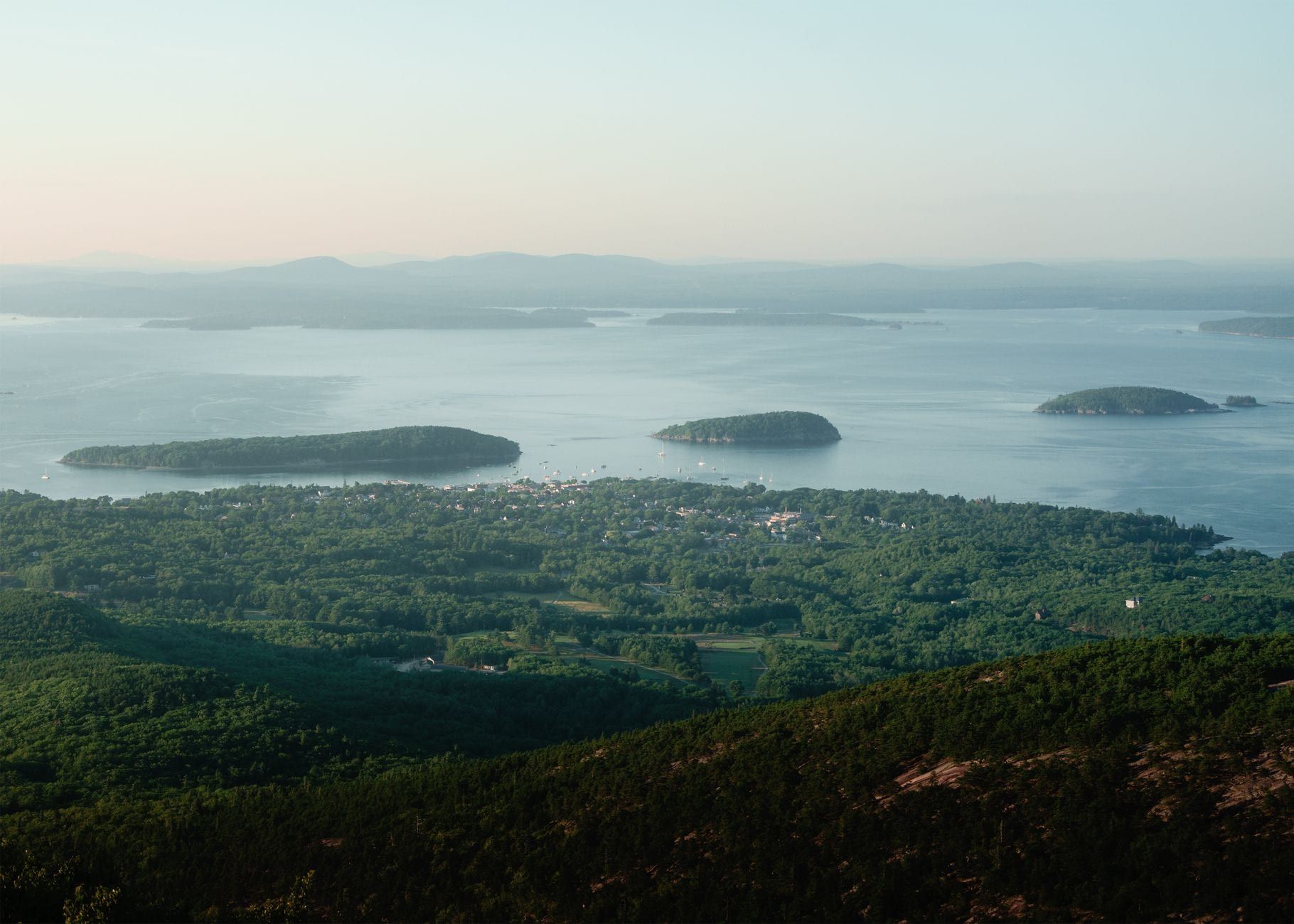
Early June and the stretch from mid-September into the first week of October — that's Acadia's sweet spot. Both windows land after (or before) the summer surge, keep afternoons in the 60s and 70s, and still have the Island Explorer shuttle, campgrounds, and the Cadillac Summit Road reservation system running. July and August bring the warmest, driest weather and every facility wide open, but also roughly 2.5 times an average month's visitors and hour-long parking waits at Sand Beach.
Acadia doesn't close in winter, but Park Loop Road shuts to vehicles from early December through mid-April, and most of Bar Harbor's restaurants go dark until spring. So the real decision isn't just about temperature — it's about which version of the park you want: packed carriage roads and popovers on the lawn, or an empty summit and a pair of cross-country skis. For the park's layout and backstory before you commit to dates, see our overview of Acadia.
Quick Answer: The Best Time to Visit Acadia National Park
Early June or the last two weeks of September into the first week of October are the calls to make. June has cleared most of the blackflies by its third week, and late September through early October adds turning foliage without the deepest fall crowds. Both windows keep the Island Explorer shuttle, campgrounds, and Cadillac reservations open, which is more than you can say for anything from December through mid-April.
Acadia logged about 4,079,318 recreation visits in 2025, a total up roughly 21% over the past decade, and more than half of that — about 56% — arrives across June, July, and August alone. August alone runs near 2.5 times an average month's visitation; February sits close to zero. Shift your trip even two weeks off the summer peak and the difference in parking, trail traffic, and dinner reservations in town is dramatic.
- Fewest crowds with facilities open: early May or November (crowd index 0.9x and 0.2x average).
- Best weather: July–August, warmest and driest, mid-70s highs.
- Peak fall foliage: first two weeks of October.
- Lowest cost: May and November, before and after peak lodging rates.
- Unique winter adventure: December–March, cross-country skiing on empty carriage roads.
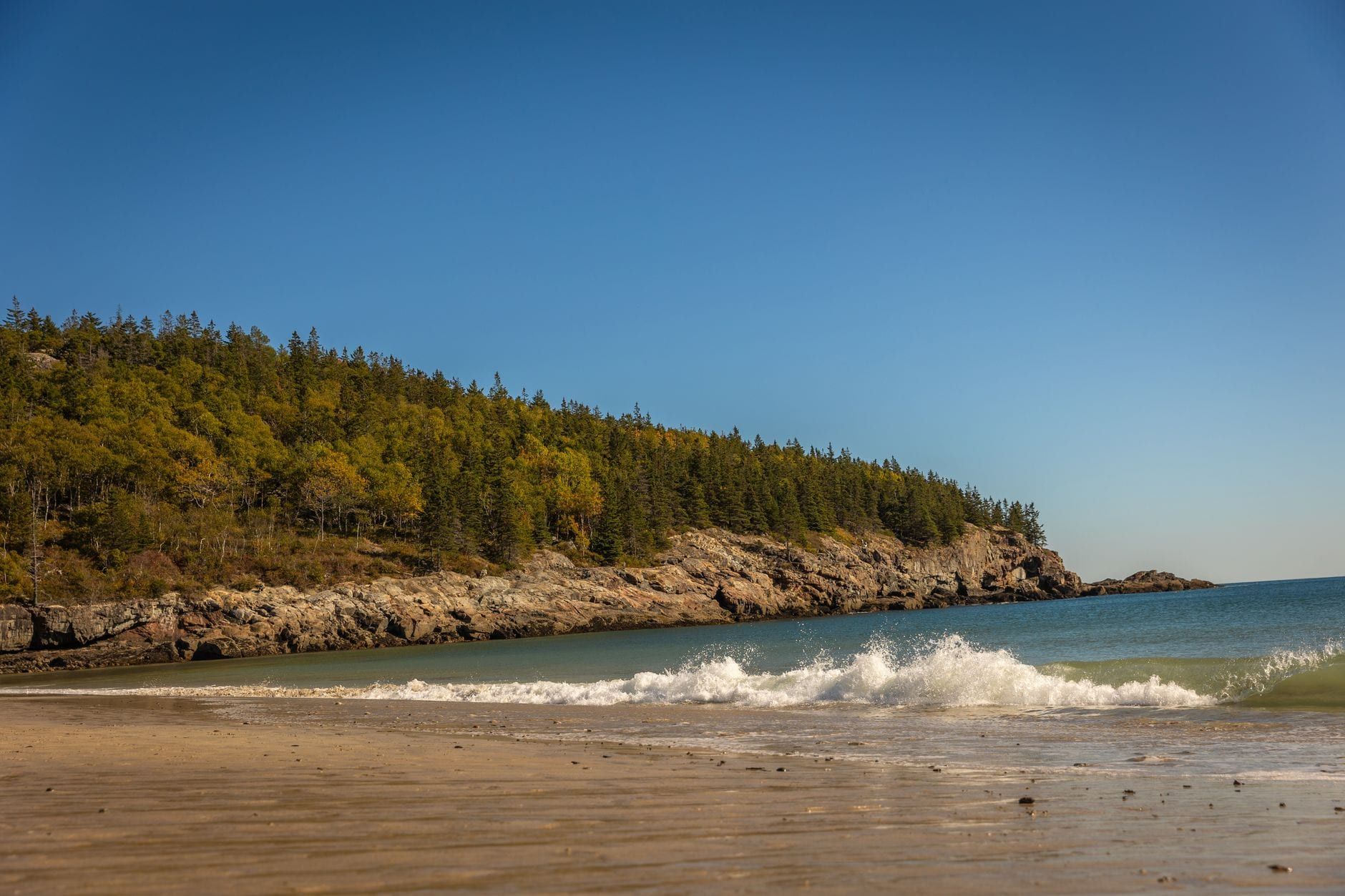
First-time visitors chasing the classic shots — Sand Beach, Thunder Hole, the Cadillac summit — do best in June or September, when every road and shuttle route is running. Photographers and hikers chasing solitude should look at May or November instead. Anyone building a trip around a specific activity should check our full range of Acadia tours for seasonal operating dates before booking flights.
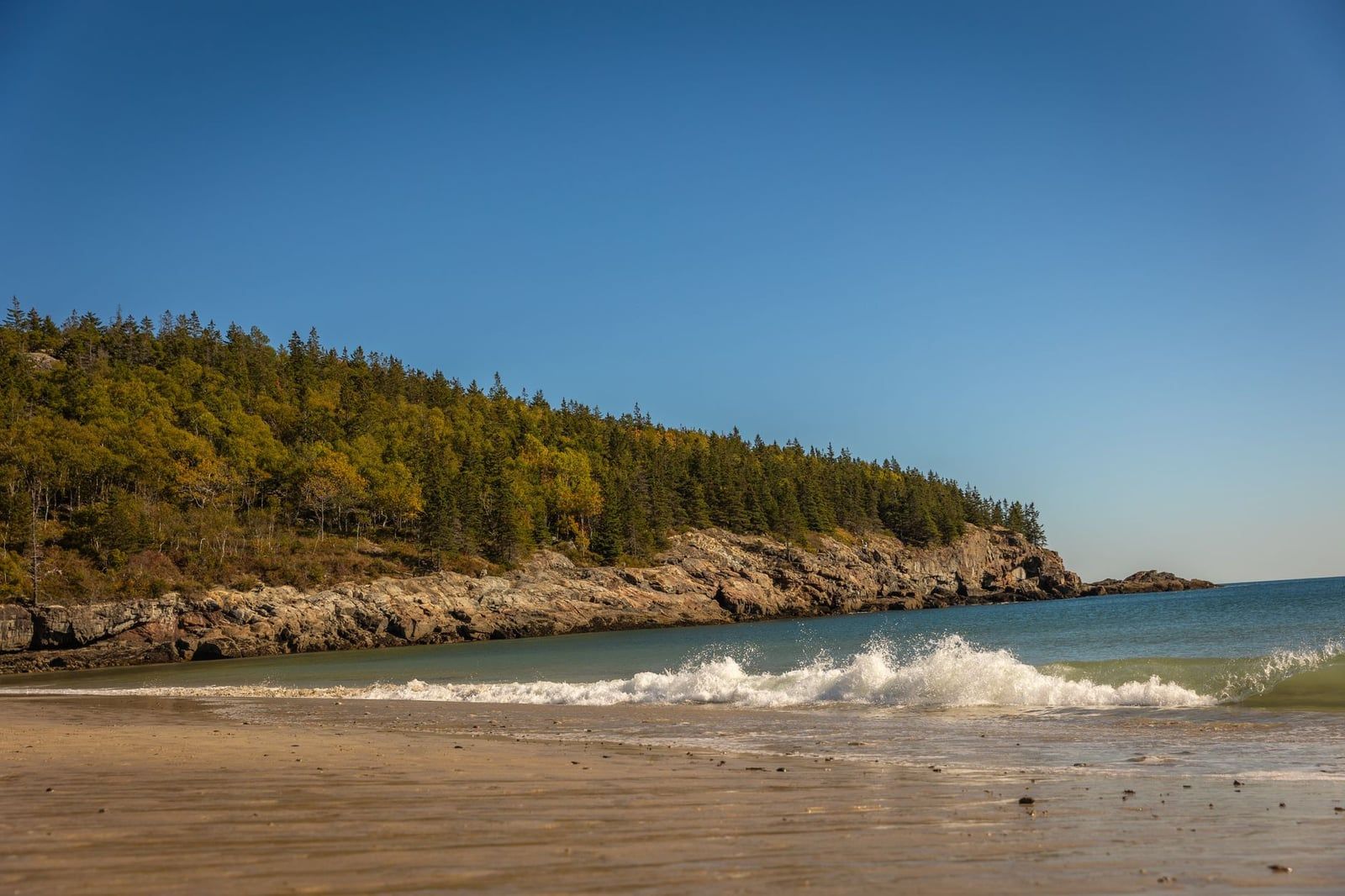
Acadia by Season: Weather, Crowds, and What's Open
Weather and access swing hard between seasons here, more than at most national parks, because a good chunk of the road network and half the facilities are seasonal by design. Here's what changes quarter to quarter, and what it means for planning around it.
Spring (March–May)
Snow lingers into March, and Park Loop Road stays gated until a phased reopening between mid-April and mid-May — early spring is mud season more than hiking season. Average highs reach about 51°F (with lows near 35°F) by April, and fog and rain are common along the coast. Trails at lower elevation dry out first; the granite domes stay slick well into May.
Facilities wake up slowly through the season. Campgrounds open by May, and blackflies and mosquitoes arrive hard from mid-May through mid-June, especially after a wet spring. The Precipice and Jordan Cliffs trails close around April to protect nesting peregrine falcons and won't reopen until mid-August. Late May, once the worst bugs ease and the shuttle gears up, beats anything earlier in the season.
Summer (June–August)
June through August is peak Acadia — every road, campground, and visitor center is open, and average highs sit in the 70s (77°F by July, with lows near 57°F). It's also when the park absorbs more than half its annual visitors, and parking lots at Sand Beach, Thunder Hole, and Cadillac Mountain routinely fill by mid-morning. Coastal fog rolls in often during these three months, sometimes socking in the summit for a whole morning.
Book campgrounds and hotels two to three months ahead for June weekends — Blackwoods and Seawall, with 281 and 211 sites, fill fast. If you're driving Park Loop Road yourself, a self-guided audio tour lets you set your own pace at each pullout instead of trailing a caravan of rental cars. Early June, before the Fourth of July rush, is the mildest way into the season.
Fall (September–early November)
September holds onto summer's warmth — highs in the upper 60s to low 70s — while crowds ease off noticeably once Labor Day passes. Foliage builds through the month and peaks in early-to-mid October, when highs cool to around 56°F (lows near 41°F). Campgrounds start closing in late September through mid-October, and by November most are shut for the year.
The Island Explorer keeps running through Columbus Day, and a trailhead lot that filled by 8am in July often still has spots at 10am in September. That gap — still warm, far less crowded — is why plenty of repeat visitors call September Acadia's best month, full stop.
Winter (November–February)
Park Loop Road closes to vehicles from early December through mid-April, and Bar Harbor's restaurants and shops largely shut down after Columbus Day, reopening around May. Jordan Pond Road, Ocean Drive, and the Schoodic Loop stay open year-round when weather allows — the park itself never closes, it's just a different park. January averages 33°F by day and 15°F overnight, with regular snow and occasional ice storms.
Crowds all but vanish: February sits near zero on the park's visitation index. What's left is cross-country skiing and snowshoeing on the snow-covered carriage roads, and a Cadillac summit you might have entirely to yourself, snow permitting. Check current conditions before you drive up — plowing is minimal and the weather turns fast.
Best Time for Fall Foliage
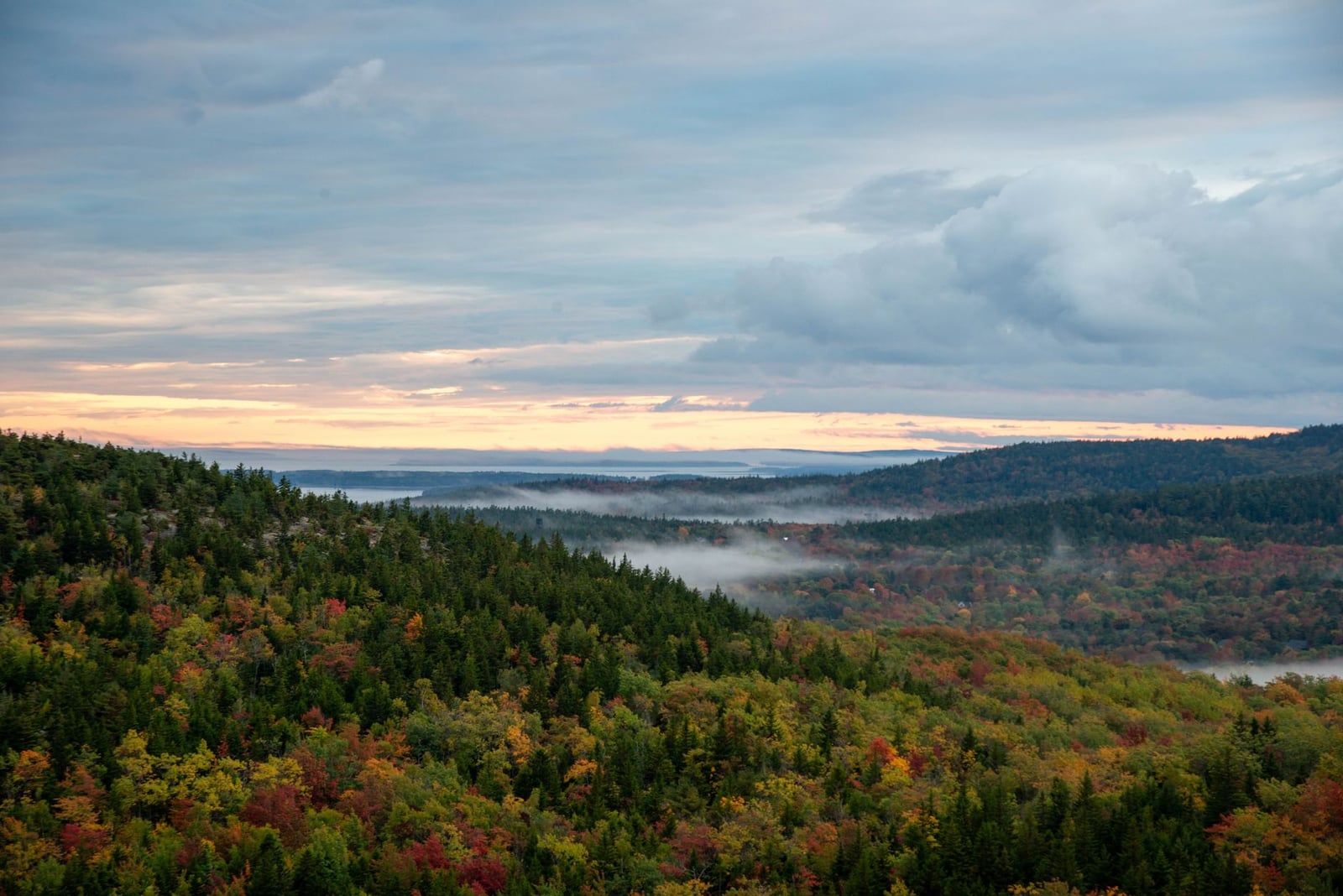
Peak color typically lands in the first two weeks of October, sometimes as tight a window as October 13 to 22, though it shifts by a week or so depending on rainfall and frost timing each year. Track it live through Maine's official fall foliage report rather than guessing from a calendar — the state updates it weekly through the season.
September versus October is a real trade-off. September holds summer warmth, full facilities, and the shuttle. October trades a few degrees for the color — by mid-month highs drop to around 56°F and campgrounds begin closing — but the maples and birches along Park Loop Road and around Jordan Pond turn the hillsides orange and red. If foliage is the whole point of the trip, take the cooler week.
Fall is also cruise-ship season in Bar Harbor. Ships stack up in the harbor through September and October, adding day-trip crowds to the town's sidewalks and restaurants even as the park's own trails quiet down. Reserve dinner ahead on a day a ship is in port; the park itself, away from the town center, doesn't feel the same crush.
Month-by-Month Crowd, Weather & Best-Time Table
Six windows cover the year's real trade-offs. Match your travel dates to what you'll actually get, then check the daylight note below before you plan a full-day itinerary.
| Period | Crowd Index (vs. average) | Weather Snapshot | Best For |
|---|---|---|---|
| March–April | 0.1x–0.3x | Cold to cool, highs near 51°F by April, mud season | Budget rates, low-elevation walks before the bugs |
| May | 0.9x | Mild, warming, blackflies begin mid-month | Best overall value before peak crowds |
| June–August | 1.7x–2.5x (peak Aug) | Warm, mid-70s highs, coastal fog common | Swimming, full facilities, family trips |
| September | 2.0x | Warm days, cool nights, highs upper 60s–low 70s | Best weather-to-crowd ratio, pre-foliage |
| October | 1.7x | Cooling, highs near 56°F | Peak fall foliage, first two weeks |
| November–February | 0.0x–0.2x | Cold, near 33°F highs in January, snow and ice | Solitude and winter sports; most facilities closed |
Best Time for Popular Activities
Generic seasonal advice only goes so far if you've got one specific thing on your list. Here's when to time it if a bucket-list activity, not just a comfortable month, is driving your dates.
Cadillac Mountain Sunrise (and the Sunrise Myth)
Cadillac Summit Road requires a $6 timed vehicle reservation, booked on recreation.gov, from May 20 through October 25; the road is closed to vehicles altogether in winter. The famous claim that Cadillac sees the country's first sunrise year-round only holds from early October through early March — the rest of the year, points further east or south beat it by minutes. Plan the pre-dawn drive for a fall or winter trip if that title actually matters to you, not a July one.
Whale Watching
Boats run out of Bar Harbor from June through October, with the best odds from July through September, when humpback and finback whales feed in the Gulf of Maine. Book through one of the Bar Harbor whale-watching operators a day or two ahead in August — trips sell out fast on clear-weather weekends.
Biking the Carriage Roads
The 45 miles of crushed-stone carriage roads, built by John D. Rockefeller Jr. starting in 1913 and crossed by 17 hand-cut granite bridges, ride best in June and September, once the spring mud has dried but before peak-summer traffic chews up the gravel. Rent locally or book one of the guided carriage road bike tours if you'd rather skip route planning. July and August work fine too, just busier, especially near Jordan Pond.
Swimming at Sand Beach and Jordan Pond
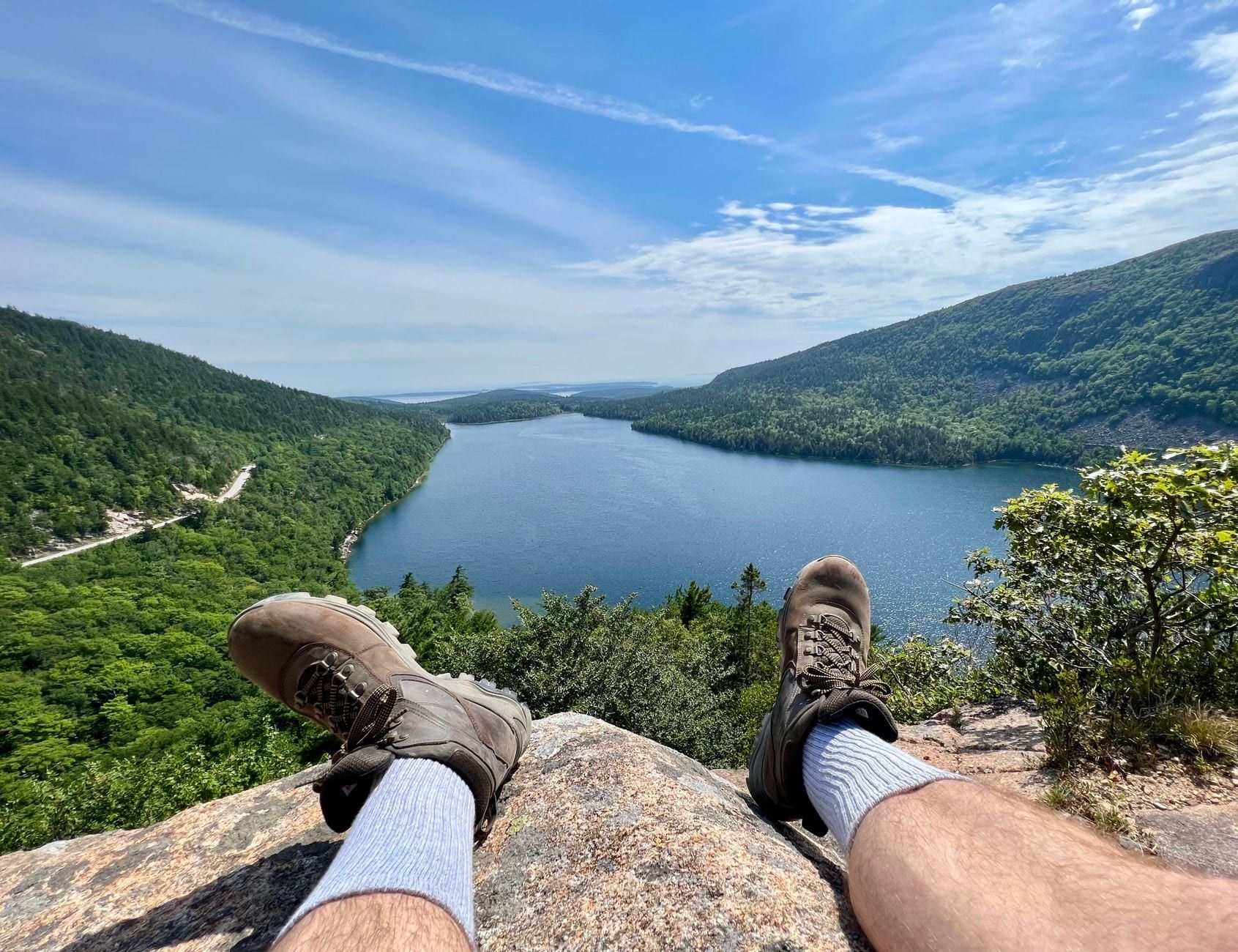
The Atlantic off Sand Beach hovers around 55°F even at the height of summer, so July through September is really the only realistic swimming window — and even then it's a bracing dip, not a lounge. Jordan Pond warms up more, running mildest in September after a summer of sun, and its flat 3.3-mile loop trail pairs well with popovers on the lawn at Jordan Pond House afterward.
Beehive and Precipice Trail
Both ladder trails close roughly April through mid-August to protect nesting peregrine falcons, then reopen for the second half of the season. Mid-August through October is prime time — dry rock, no nesting closures, and cooler air than the muggy days of July. Skip them if you're not comfortable with iron rungs and exposed granite ledges with real drop-offs; the Jordan Pond loop is a fine substitute.
Winter Sports
Cross-country skiing and snowshoeing take over the snow-packed carriage roads from December through March, once Park Loop Road is closed to cars. There's no grooming or rentals inside the park, so bring your own gear from town, and expect entire sections of the 45-mile network to yourself. It's the emptiest version of Acadia there is.
How to Avoid Crowds Whenever You Visit
Locked into a July trip anyway? These moves cut the worst of the congestion no matter what month lands on your calendar.
- Head to Schoodic Peninsula instead of Mount Desert Island for open coastline.
- Start hikes and drives before 9am, before trailhead lots fill.
- Ride the free Island Explorer shuttle instead of hunting for parking.
- Book campgrounds and hotels two to three months ahead for summer.
- Target shoulder weeks — early June, mid-September, early October — within any season.
Schoodic is Acadia's only mainland section, reachable by a short ferry or a drive around Frenchman Bay, and it sees a fraction of Mount Desert Island's traffic even in August. The Island Explorer runs fare-free from late May through Columbus Day, linking campgrounds, trailheads, and downtown Bar Harbor, so leaving the car behind is often faster than driving. If navigating summer traffic yourself sounds like a chore, a guided bus tour handles the driving and the parking search for you.
Practical Trip-Planning Basics
A standard 7-day vehicle pass costs $35, an individual pass on foot or bike is $20, and an annual Acadia pass runs $70 — flat rates whether you visit in July or January. Add a separate $6 vehicle reservation if you want to drive Cadillac Summit Road between May 20 and October 25. Full details, including motorcycle rates and fee-free days, are on our hours and fees page.
Blackwoods (281 sites) and Seawall (211 sites) take reservations through recreation.gov and should be booked two to three months ahead for any June weekend; Schoodic Woods fills nearly as fast. If you're flying in, Bangor International Airport is about an hour's drive from the park, often cheaper than routing through Bar Harbor's small regional airport — see our directions guide for the full route options.
- Rain gear and a windbreaker, even in July — coastal fog and showers show up fast.
- Layers for the swing between cool mornings and warm afternoons.
- Insect repellent for blackfly and mosquito season, mid-May to mid-June.
- Winter traction devices for any visit between December and April.
Many Bar Harbor restaurants and shops close for the season right after Columbus Day weekend and don't reopen until around May. A shoulder-season trip means checking ahead before you build an evening around a specific spot.
Frequently asked questions
What is the cheapest time to visit Acadia National Park?
May and November bring the lowest lodging rates thanks to lower demand. The park's own entrance fee doesn't change with the season — it's a flat $35 per vehicle for seven days year-round.
What is the least crowded month to visit Acadia National Park?
February is the quietest month, at roughly zero percent above its baseline on the park's visitation index. Among months when facilities are actually open, May and November are far quieter than the June-to-August stretch.
Is it better to visit Acadia in September or October?
September has warmer weather (highs in the upper 60s to low 70s), full facilities, and the shuttle still running. October brings peak fall foliage in its first two weeks but cooler temperatures, around 56°F highs, and facilities starting to close by mid-month.
When does Acadia National Park have fall foliage?
Peak color generally falls in the first two weeks of October, sometimes cited as October 13 to 22. It varies year to year and is trackable through Maine's official statewide foliage report.
Can you visit Acadia National Park in the winter?
Yes — the park stays open year-round, but Park Loop Road closes to vehicles from early December to mid-April, most Bar Harbor restaurants and lodging close for the season, and activities shift to cross-country skiing and snowshoeing on the carriage roads.
Do you need a reservation to visit Acadia National Park?
No reservation is needed to enter the park itself, but a $6 vehicle reservation is required to drive the Cadillac Summit Road from May 20 through October 25. Campground reservations through recreation.gov are strongly recommended months ahead for summer.
What month has the best weather in Acadia?
July and August have the warmest, most reliable weather, with highs in the mid-70s, but also the biggest crowds. June and September come close on comfort with noticeably fewer people around.