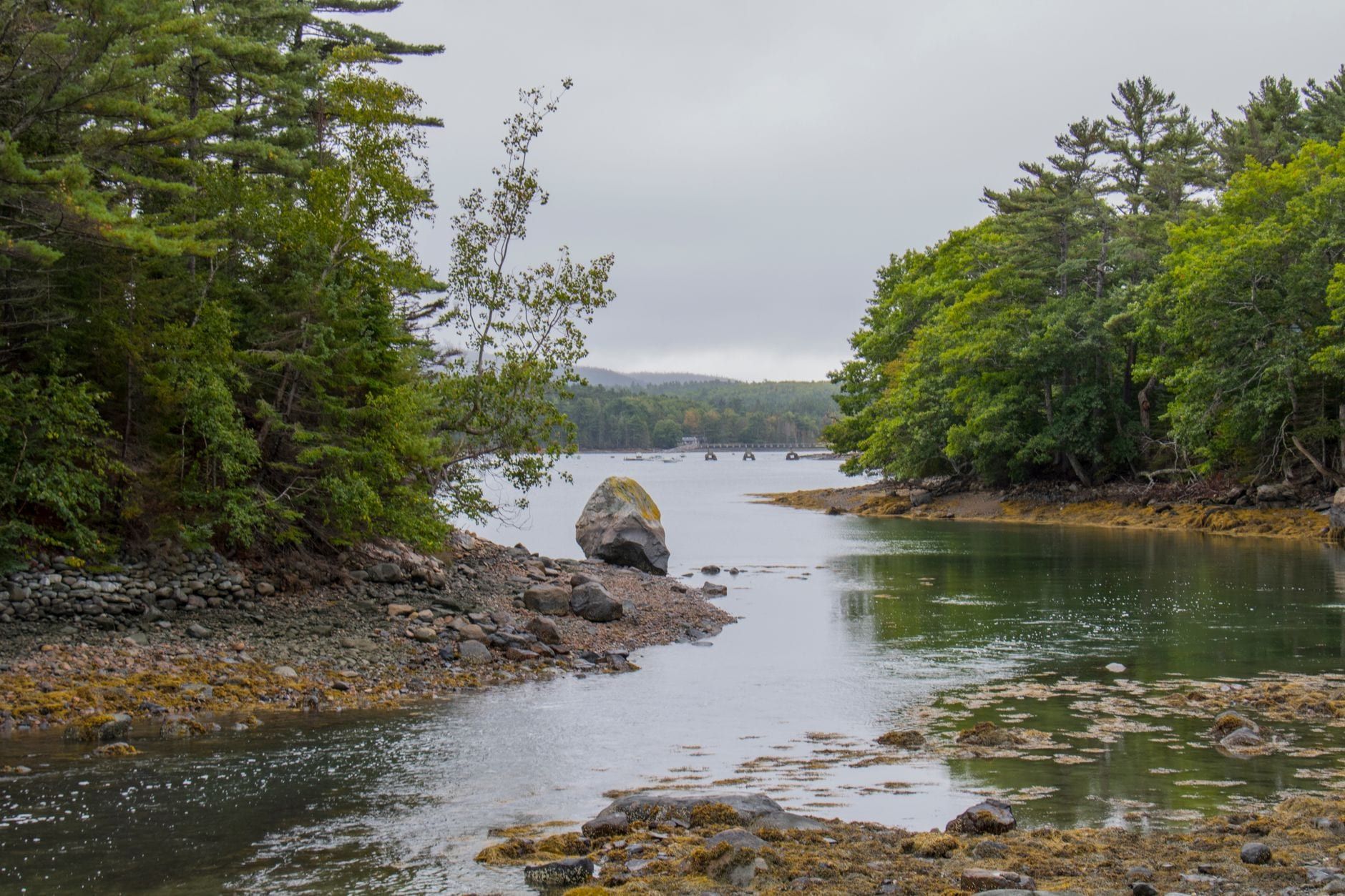
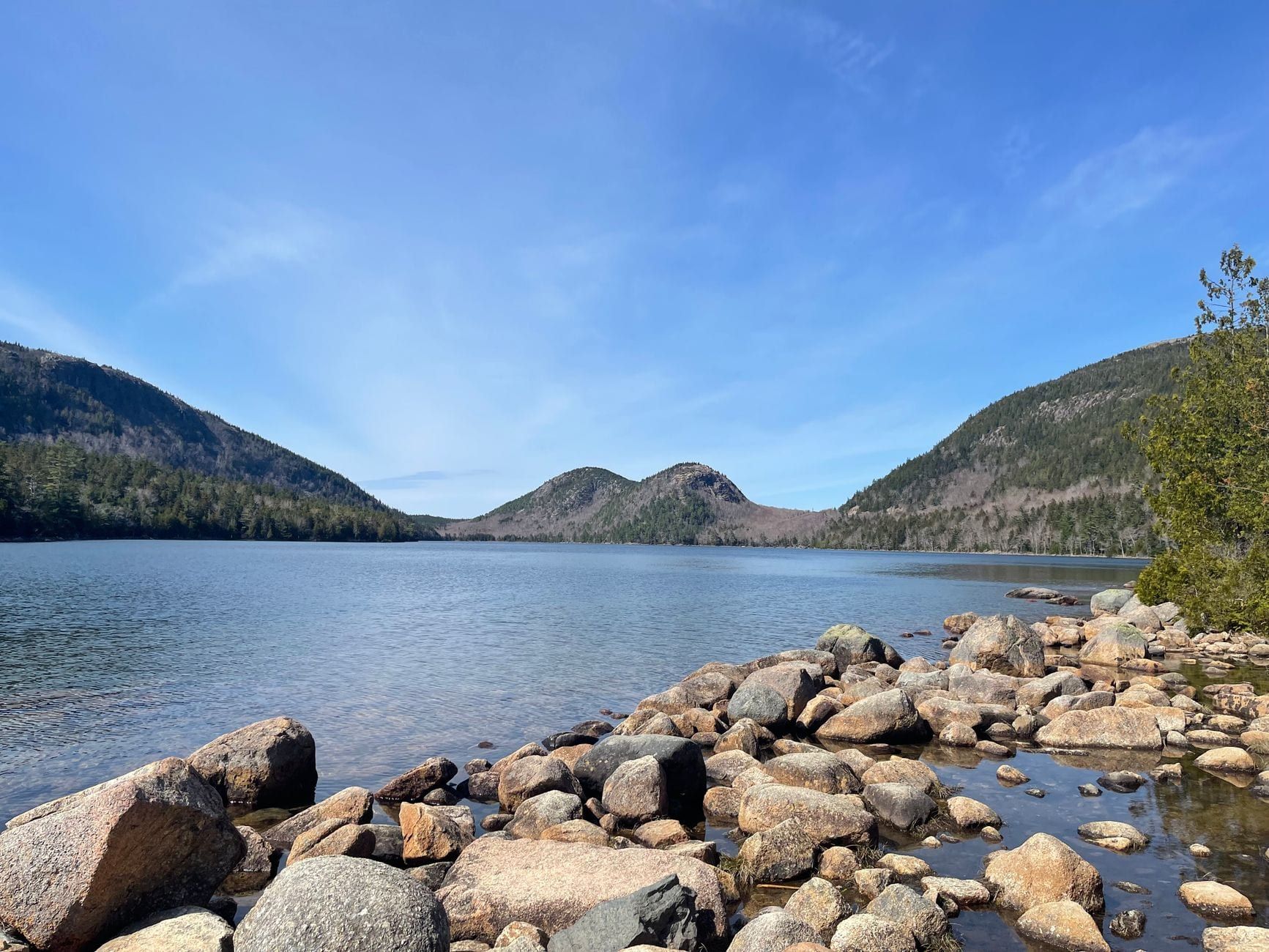
Acadia National Park packs granite summits, cold Atlantic beaches, and 45 miles of car-free carriage roads onto one small Maine island, then adds two quieter outposts most visitors never reach. In a single morning you can stand on the highest point on the U.S. Atlantic coast, wade into 55°F surf, and eat popovers on a lawn facing twin granite peaks. Stay a few extra days and the list stretches further: peregrine-falcon cliffs, a mail-boat-only island, tidepools, puffin cruises, dark-sky stargazing.
This guide sorts Acadia's activities by what you'll actually do — drive, hike, bike, swim, or sit still and watch the water — with the fees, reservations, and seasonal closures built in so you're not guessing at the gate.
Acadia at a Glance: Regions, Fees & When to Go
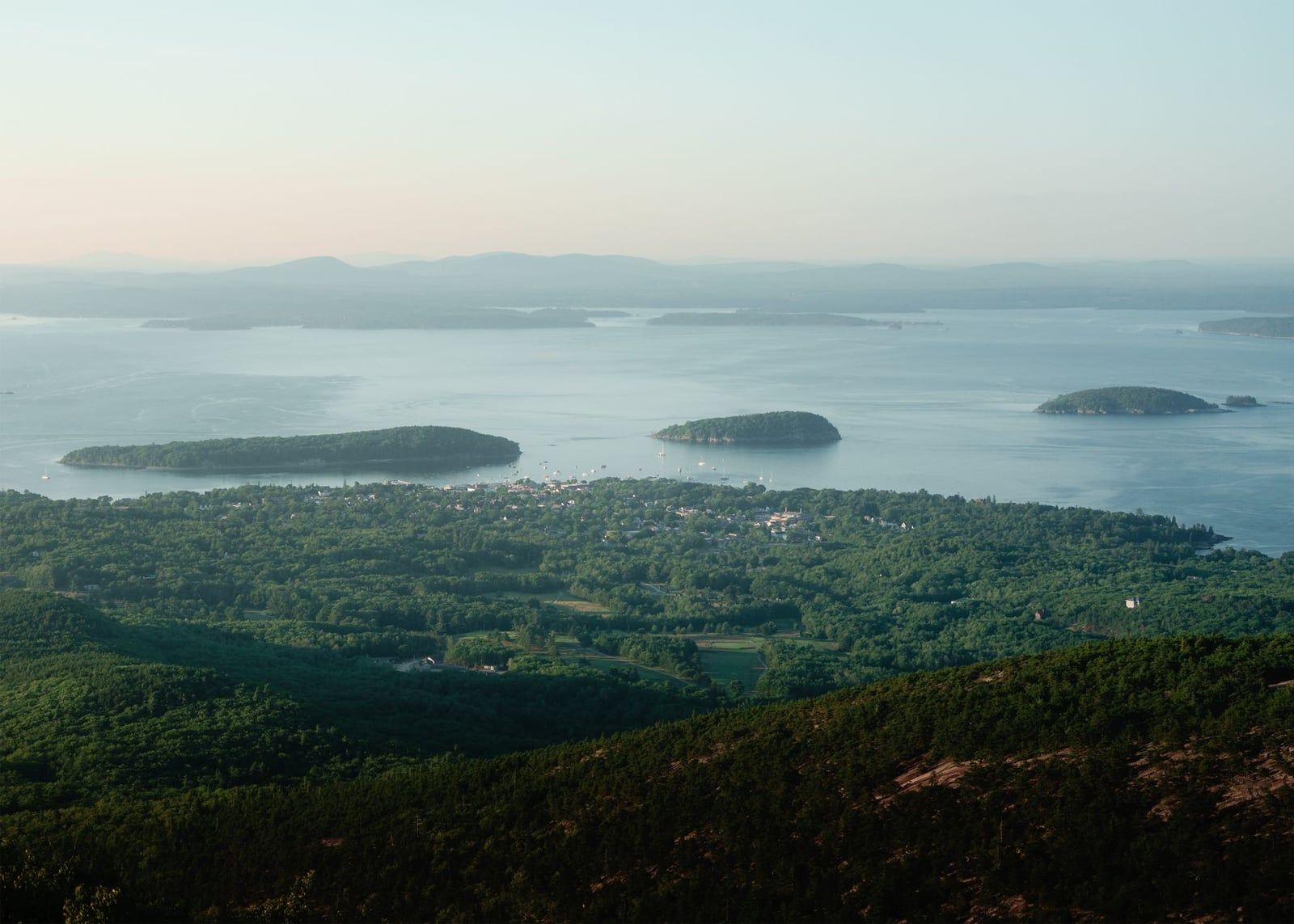
Acadia splits into three pieces. Mount Desert Island holds the headline sights — Cadillac Mountain, Sand Beach, Jordan Pond, the carriage roads — and absorbs most of the park's more than 4 million annual visits. Schoodic Peninsula, the only section on the mainland, sits about an hour's drive from Bar Harbor. Isle au Haut, reached only by mail boat from Stonington, is the most remote corner and sees a fraction of the crowds.
A standard vehicle pass covers everyone in the car for seven days. Motorcycles and pedestrians pay less, and an annual Acadia pass pays for itself after two visits. Non-US residents aged 16 and up owe an extra $100 on top of any pass, a rule that catches a lot of overseas visitors off guard at the gate. Check current fees and pass options on the park's opening hours and entry fees page before you go.
| Pass Type | Price | Validity |
|---|---|---|
| Private vehicle | $35.00 | 7 days |
| Motorcycle | $30.00 | 7 days |
| Individual (foot/bike) | $20.00 | 7 days |
| Annual Acadia Pass | $70.00 | 1 year |
Park Loop Road and the other paved routes run mid-April through December 1; unpaved carriage roads open mid-May and close mid-November. June through August brings the mildest weather and the worst parking, with lots at Sand Beach, Thunder Hole, and Cadillac filling by mid-morning. Shoulder season — April, May, and November — is colder and thinner on services, but you'll have trails to yourself. Early-to-mid October is different: that's peak foliage, and it's nearly as busy as July. For a month-by-month breakdown, see our season-by-season guide.
One day is enough to hit the highlights: Park Loop Road, Cadillac Mountain, Sand Beach, and a single hike. Two to three days lets you add Jordan Pond, a carriage-road ride, and Bass Harbor Lighthouse without rushing. Give yourself four or more if Schoodic Peninsula or Isle au Haut are on the list.
Drive Park Loop Road: The Essential Introduction
Park Loop Road is the spine that connects almost everything on this list. The 27-mile route loops past Sand Beach, Thunder Hole, Otter Cliff, Jordan Pond, and the Cadillac Mountain summit road, so even a rushed half-day visit can touch most of the park's signature stops without leaving pavement.
The eastern stretch, from the Route 3 entrance to Wildwood Stables, runs one-way clockwise only — don't plan on doubling back for a photo you missed. Otter Cliff and the Otter Cove Bridge are worth a stop even without getting out of the car; Egg Rock Overlook, just past Sand Beach, gives a clean view out to the lighthouse on Egg Rock island.
Parking along the road fills fast in summer. The fare-free Island Explorer shuttle runs the loop from mid-June through mid-October with stops at most trailheads and pull-offs, and skipping the car for a day is often the less stressful option. If you'd rather have someone else handle the driving and narration, a guided bus tour covers the loop's highlights in a single outing.
Cadillac Mountain: Sunrise, Summit & Reservations
At 1,530 feet, Cadillac Mountain is the highest point on the U.S. Atlantic coast, and from early October through early March its summit is among the first places in the country to catch sunrise. That's the draw for the pre-dawn crowd lining the summit road parking lot in the dark half the year.
Driving up requires a separate reservation from roughly late May through late October, on top of your park pass. It costs $6, books through recreation.gov, and comes in timed entry windows — sunrise slots go first and go fast, so book as early as the release date allows. Outside that window, in winter and early spring, no reservation is needed to drive up at all.
Skip the reservation entirely by hiking or biking to the top. The Cadillac North Ridge Trail climbs about 2.2 miles one-way; the longer Cadillac South Ridge Trail runs roughly 4.4 miles one-way with better tree cover lower down. Once you're up there, the flat, 0.3-mile Cadillac Summit Loop Trail circles the bald granite top and hits every viewpoint without much effort — worth doing even if you drove up.
Hike the Iconic Trails (By Difficulty)
Acadia has more than 158 miles of hiking trail, from stroller-flat boardwalks to cliff scrambles with iron rungs. Sort by what you're comfortable with, not by what looks good in photos — falling is the leading cause of injury in the park, and the exposed trails below don't forgive a bad step.
Easy and Family-Friendly
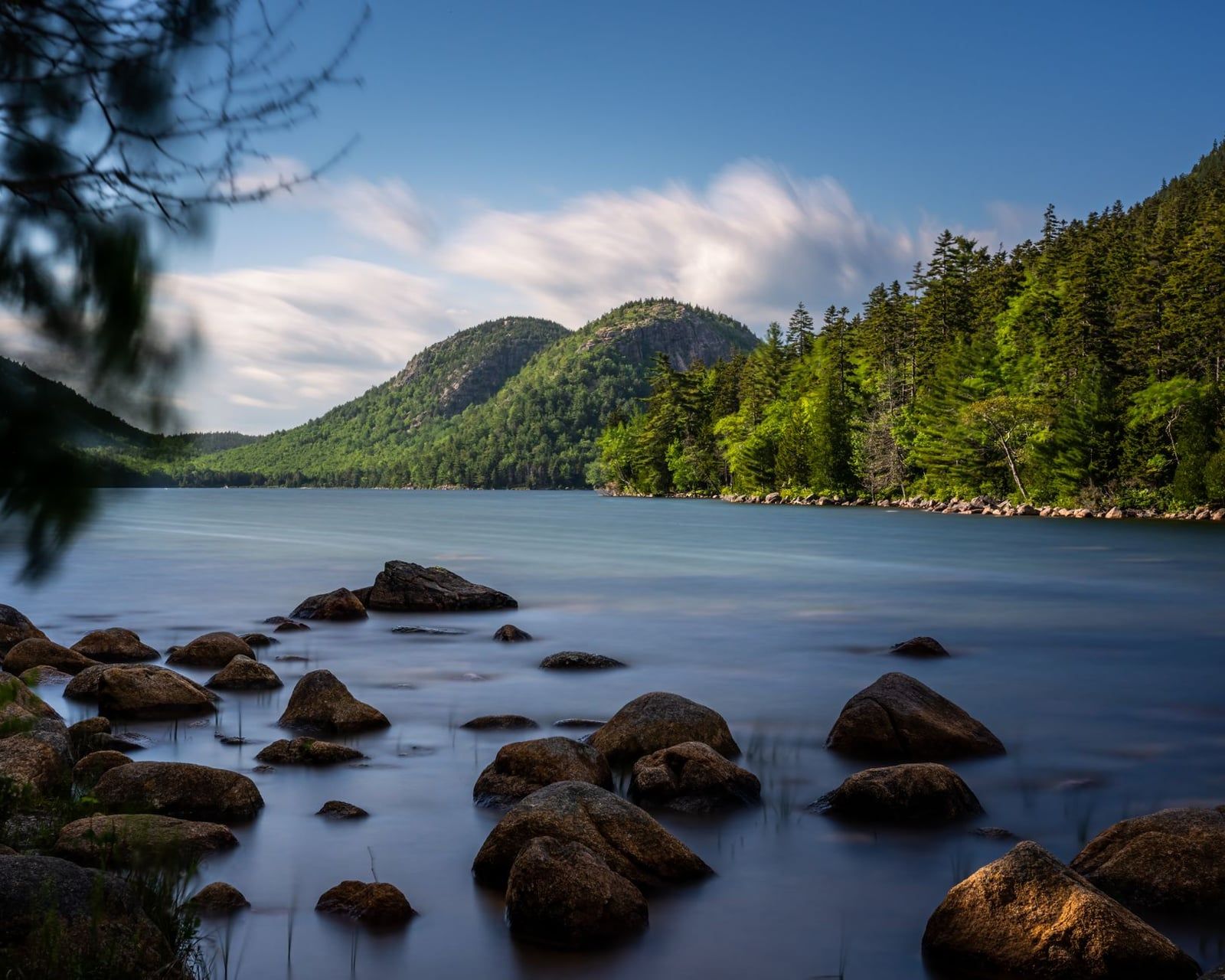
The Ocean Path runs 2.2 miles one-way along the coast from Sand Beach to Otter Point, passing Thunder Hole on the way; the northern section between Sand Beach and Thunder Hole is flat and stroller-friendly. The Jordan Pond Path is a 3.3-mile loop around the water on mostly level gravel, with the twin Bubbles mountains reflected on calm days. Great Head Trail, 1.9 miles, climbs a low headland above Sand Beach for an ocean view without much elevation gain.
Moderate
Gorham Mountain and Acadia Mountain both deliver summit views for a couple of hours' effort, without ladders. Beech Mountain and the connecting Beech Cliffs trail add exposed ledges and a fire tower on top, with enough scrambling to feel earned. Bubble Rock, a glacial erratic balanced on the edge of South Bubble, is a short, popular add-on from the Jordan Pond loop and one of the most photographed boulders in the park.
Thrilling and Exposed
The Beehive Trail is Acadia's signature scramble: about 1.4 to 1.5 miles round trip, 450 to 508 feet of gain, and iron rungs bolted straight into the granite face. It's short, it's popular, and it's not for anyone uneasy with heights. The Precipice Trail is longer and steeper — 2 to 2.5 miles with ladders up Champlain Mountain's east face — and closes from early March through late summer to protect nesting peregrine falcons, so check the park's trail status before you drive out. Jordan Cliffs, reached from the Jordan Pond loop, offers a similar exposed traverse on a quieter trail.
Bike the Historic Carriage Roads
John D. Rockefeller Jr. funded 45 miles of carriage roads built between 1913 and 1940, and they're still closed to cars — the best way to cover real distance in Acadia without a single climb requiring your hands. Crushed stone surfaces, gentle grades, and 17 hand-cut granite bridges make the network as much a piece of engineering to look at as a route to ride.
Rent a bike in Bar Harbor (e-bikes are widely available now and flatten out the network's longer stretches) and plan on a half-day loop past Jordan Pond and Eagle Lake. The roads are open to walkers too, and Wildwood Stables runs horse-drawn carriage tours in summer if you'd rather see the bridges without pedaling. For a longer, guided ride covering more ground, check the park's bike tour options before you arrive.
Beaches, Swimming & the Coastline
Acadia's coastline offers three distinct ways to get in or near the water, and they're worth treating as separate stops rather than quick trailhead detours.
Sand Beach
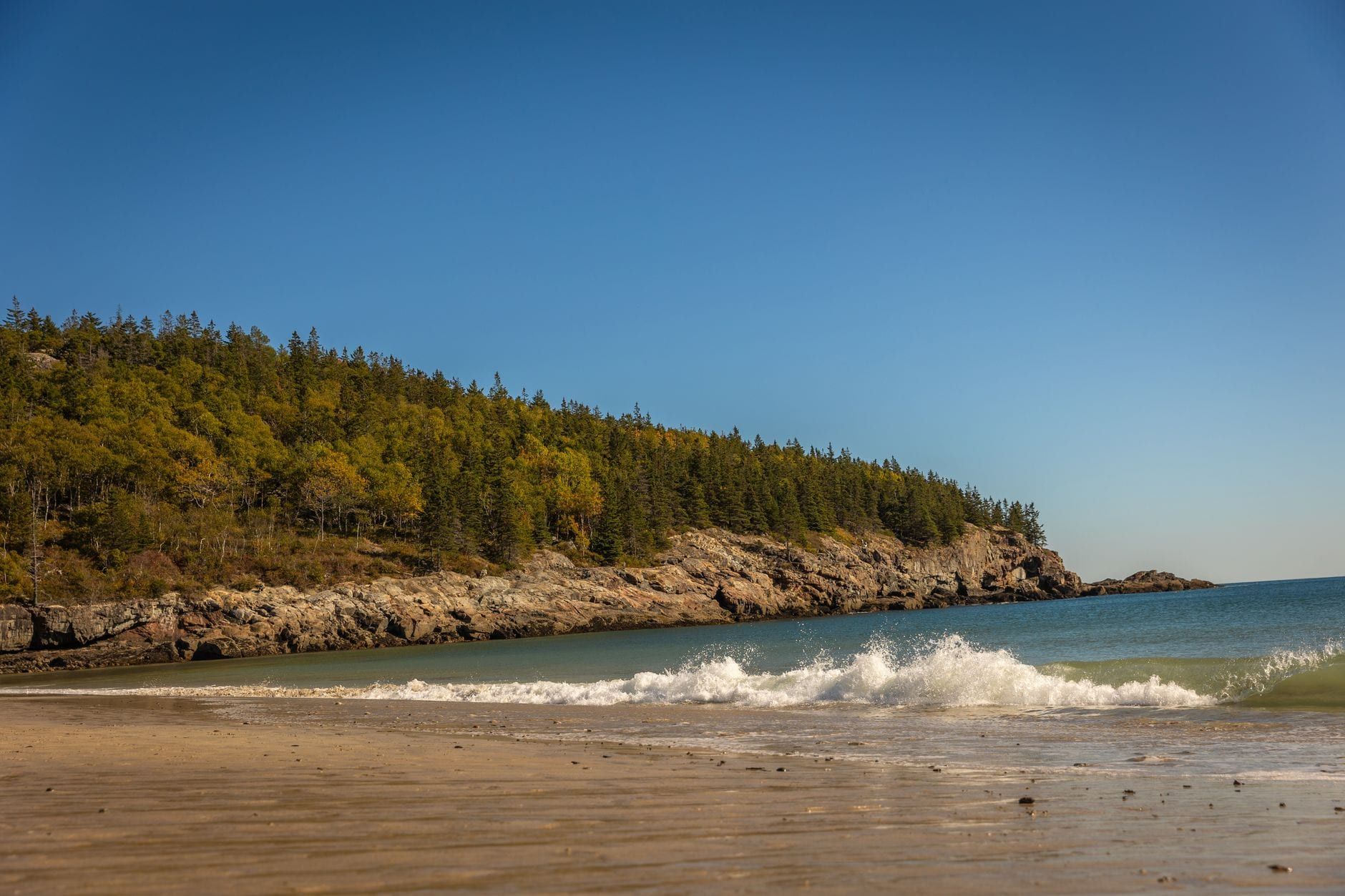
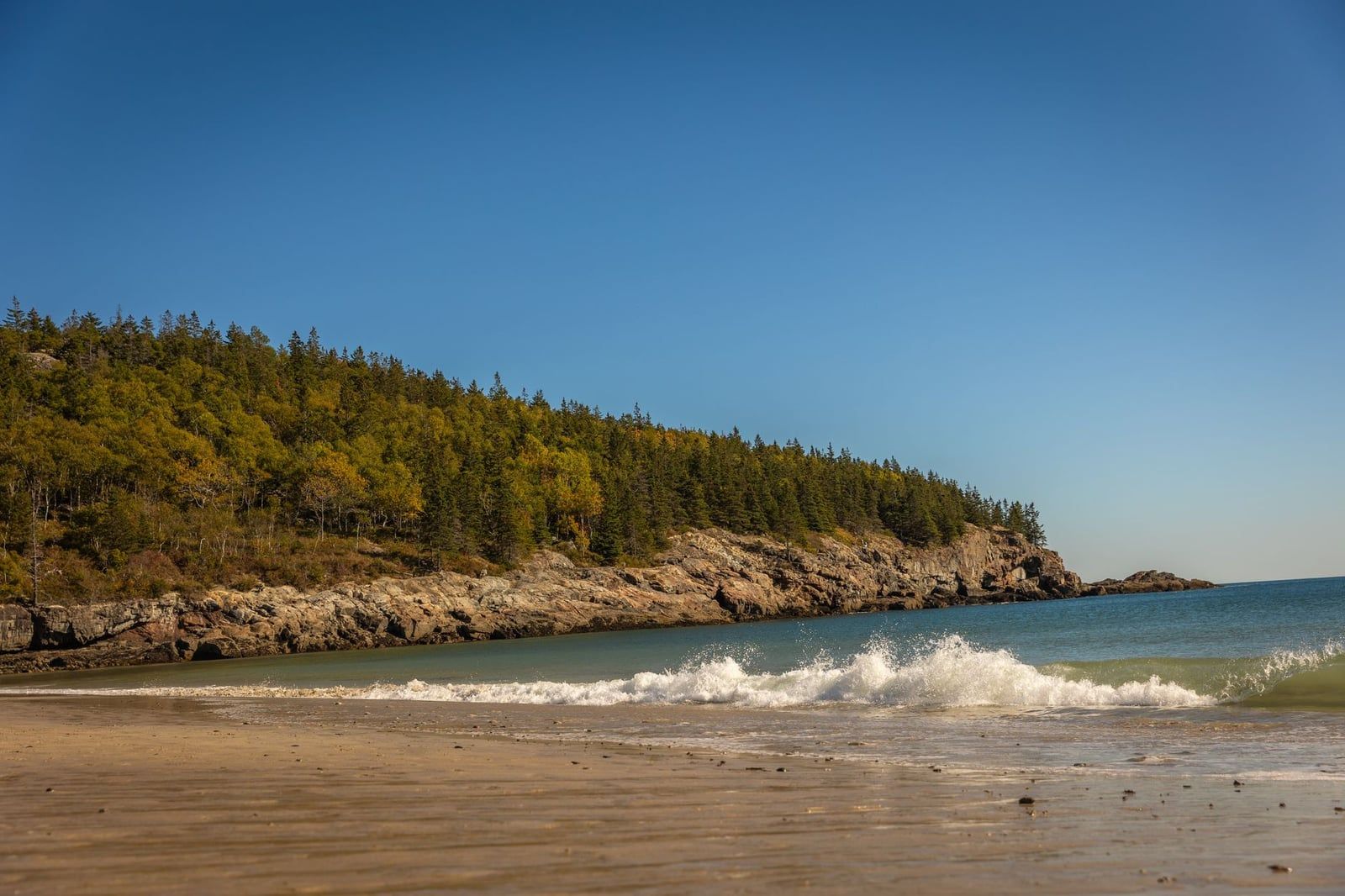
Sand Beach is the park's only stretch of soft sand — about 290 yards, made mostly of crushed shell rather than mineral sand, tucked between two granite headlands. The Atlantic here stays around 55°F even in August, which doesn't stop plenty of people from a quick swim. Lifeguards are on duty roughly early June through Labor Day. Dogs can cross the beach to reach the Beehive and Great Head trailheads year-round, but can't linger on the sand itself between June 15 and September 8.
Echo Lake Beach
Echo Lake, on the quieter western side of Mount Desert Island, is freshwater and noticeably warmer than the ocean — the better choice if you're bringing kids who actually want to stay in the water. It draws a fraction of Sand Beach's crowd even in July.
Thunder Hole and Tidepooling
Thunder Hole is a narrow granite inlet where incoming waves compress air in a small cavern and let it go with a boom, throwing spray as high as 40 feet. Time it for one to two hours before high tide; at low tide it's just a quiet notch in the rocks. The same rocky shoreline along the Ocean Path is good tidepooling ground at low tide — check under rockweed for periwinkles and hermit crabs, and put everything back where you found it.
Jordan Pond & Bass Harbor Head Lighthouse
These two spots are the park's classic photo stops, and neither one requires a real hike to reach.
Jordan Pond House and the Loop Trail
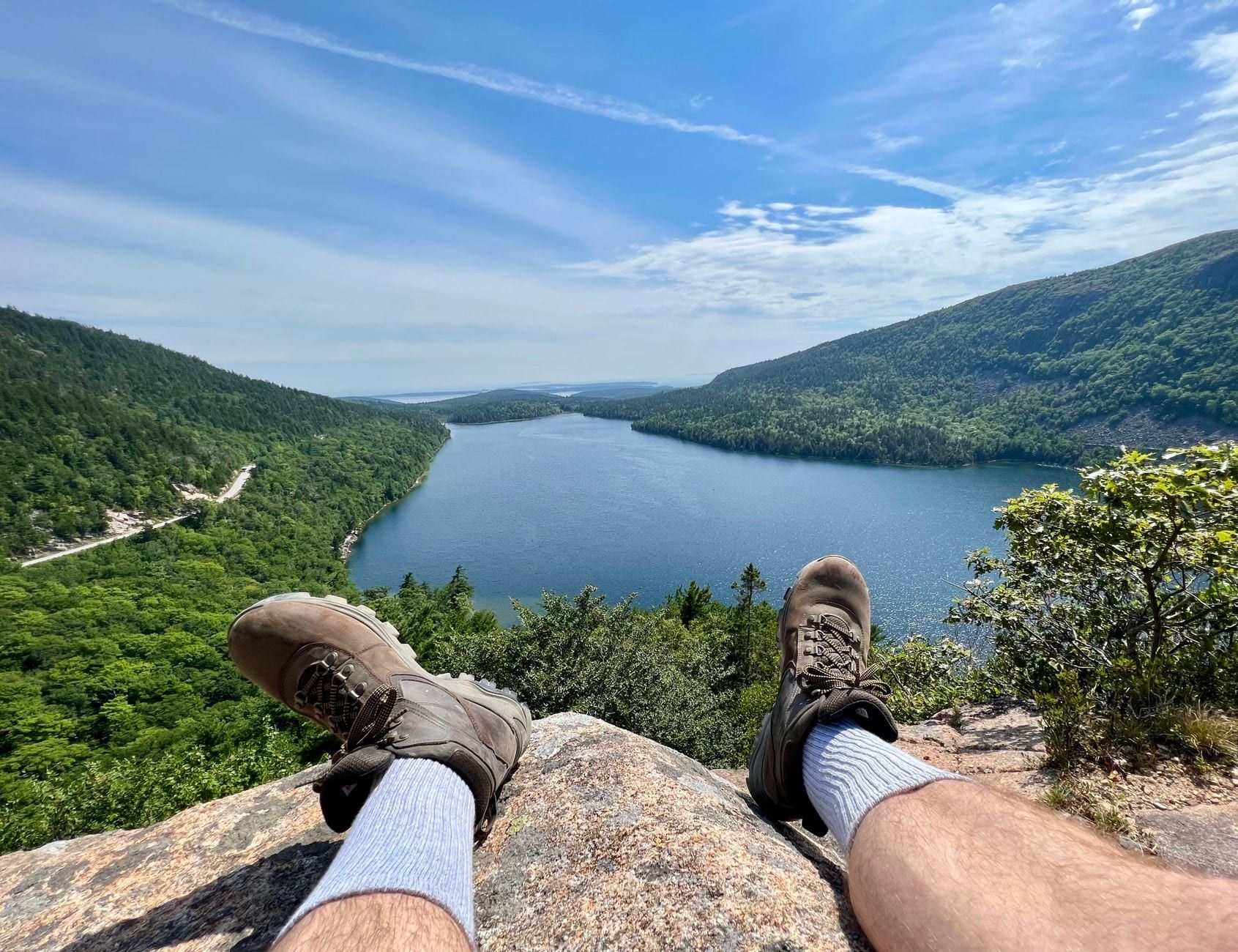
Jordan Pond itself is a drinking-water source, so swimming and wading are off-limits — this one's for looking, not splashing. The flat 3.3-mile loop trail around it is one of the easiest walks in the park, with the two rounded Bubbles mountains rising straight ahead across the water. Jordan Pond House, the only sit-down restaurant inside the park, has served popovers and tea on its lawn for generations; arrive before noon or after 2pm in summer or expect a real wait for a table. Hikers after more effort can branch onto South Bubble or the exposed Jordan Cliffs trail for a higher view over the whole valley.
Bass Harbor Head Lighthouse
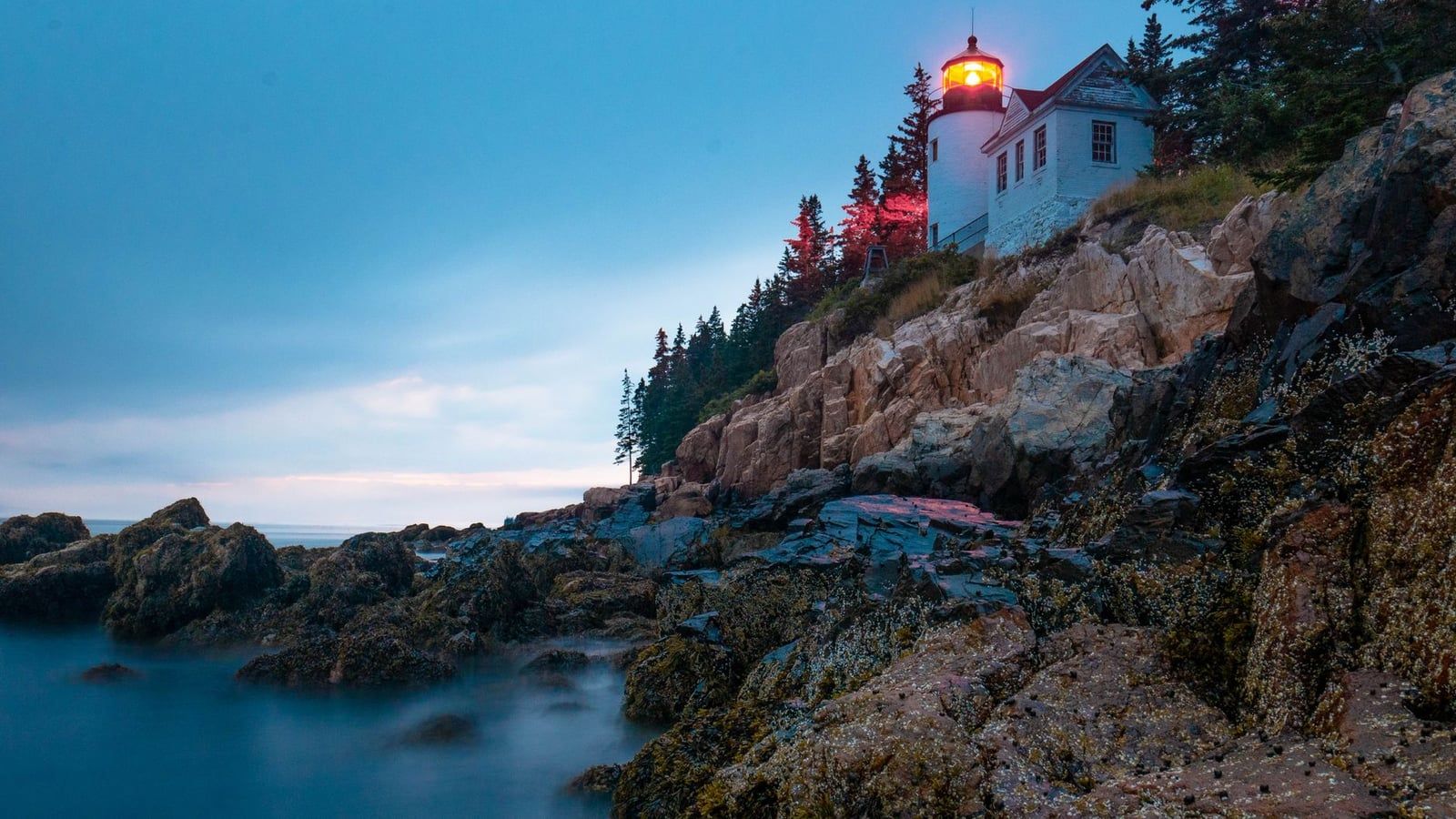
Bass Harbor Head Light sits on a rocky ledge on the park's quiet side, and it's one of the most photographed lighthouses in Maine. The parking lot holds maybe two dozen cars, so arrive one to three hours before sunset if you want a spot in summer — locals treat this like a known problem, not a secret. Pair it with Echo Lake and the Seawall picnic area nearby to make a half-day out of the western side of the island.
Beyond the Main Loop: Schoodic Peninsula & Isle au Haut
With extra time on hand, two sections of Acadia beyond Mount Desert Island are worth the detour, and both see a fraction of the main loop's traffic.
Schoodic Peninsula
Schoodic is the only piece of Acadia on the Maine mainland, about an hour and fifteen minutes' drive from Bar Harbor, with a seasonal ferry running mid-June through mid-September if you'd rather skip the drive. Schoodic Point is the draw: pink granite slabs that take a real beating from Atlantic swell in any weather rougher than calm. The Sundew Trail loops through peatland nearby, and the Schoodic Institute runs a ranger-staffed research station worth a stop for anyone curious what the park actually studies out here.
Isle au Haut
Isle au Haut is the park's most remote section, reachable only by mail boat from Stonington — about 45 minutes to the island's main village, up to an hour and 15 minutes if you're headed to Duck Harbor. There's no bridge, no bulk of day-trippers, and a hiking and camping experience that feels closer to backcountry Maine than a national park's greatest hits. Plan on a full day round trip at minimum; this isn't a drive-through stop.
More Ways to Experience Acadia: Wildlife, Water & Night Sky
Birdwatching is serious business here: loons call across the ponds at dusk, bald eagles nest along the coast, and the same peregrine falcons that close Precipice Trail each spring can be watched from a respectful distance at ranger-staffed viewpoints during nesting season.
Boating and kayaking are allowed on several of Mount Desert Island's inland lakes and ponds, a calm alternative to the cold ocean. Out of Bar Harbor, lobster boat tours and seasonal puffin cruises head out onto Frenchman Bay for a look at the park from the water rather than the trail.
After dark, Acadia's low light pollution makes it one of the better stargazing spots on the East Coast, and the park runs an annual Acadia Night Sky Festival along with ranger-led astronomy programs through the season. Regular ranger talks and walks happen daily in summer — check the visitor center calendar when you arrive, since topics and times change week to week.
Dogs are welcome on more than 100 miles of trail on a 6-foot leash, though they're barred from the exposed sections of Precipice and Beehive and from Sand Beach in peak summer. And at low tide, the gravel bar to Bar Island appears off Bridge Street in Bar Harbor, letting you walk out to the island on foot — just watch the tide tables, since it floods back in fast and stranded hikers are a regular rescue call.
How to Plan Your Time: Sample 1, 2, and 3+ Day Priorities
One day: drive Park Loop Road, ride or hike up Cadillac Mountain, swim or wade at Sand Beach, listen for Thunder Hole near high tide, and squeeze in one signature hike — the Beehive if you're comfortable with heights, Ocean Path if you're not.
Two to three days: add the Jordan Pond loop and popovers, a carriage-road bike ride, Bass Harbor Head Lighthouse at sunset, and one or two more trails from the moderate tier.
Four or more days, or a repeat visit: this is when Schoodic Peninsula and Isle au Haut earn their place, alongside kayaking an inland pond, a birdwatching morning, or a boat tour out of Bar Harbor. It's also the only way to see the park's quiet side properly — everything before this point is Mount Desert Island's greatest hits. See our park overview and visitor info and directions guide for the rest of the logistics, and browse all Acadia tours or self-guided audio tours if you'd like structure without giving up flexibility.
Frequently asked questions
How many days do you need to see Acadia National Park?
One day covers the highlights — Park Loop Road, Cadillac Mountain, Sand Beach, and one hike. Two to three days adds Jordan Pond, carriage-road biking, and Bass Harbor Lighthouse without rushing. Four or more days lets you add Schoodic Peninsula and Isle au Haut.
Do you need a reservation to drive up Cadillac Mountain?
Yes, roughly late May through late October, when a $6 vehicle reservation booked on recreation.gov is required to drive Cadillac Summit Road. Outside those months, and if you hike or bike instead, no reservation is needed.
What is the entrance fee for Acadia National Park?
A standard 7-day private vehicle pass costs $35, a motorcycle pass $30, and an individual pass on foot or bike $20. Non-US residents 16 and older pay an additional $100 per person.
What is the best time of year to visit Acadia National Park?
June through August brings the mildest weather but the heaviest crowds and worst parking. Shoulder season (April-May, November) is quieter and colder with fewer services running. Early-to-mid October brings peak fall foliage and crowds nearly as heavy as summer.
Can you swim in Acadia National Park?
Yes — Sand Beach (ocean water around 55°F, lifeguards early June through Labor Day) and Echo Lake Beach (freshwater, warmer) are the main swimming spots. Jordan Pond is off-limits since it's a drinking-water source.
Is Acadia National Park good for non-hikers or families with young kids?
Yes. Park Loop Road, the flat Sand Beach-to-Thunder Hole stretch of Ocean Path, the Jordan Pond loop, carriage-road biking, boat tours, and both beaches require no technical hiking at all.
What is the most popular hike in Acadia National Park?
The Beehive Trail, a roughly 1.4-to-1.5-mile round trip with iron rungs and ladders bolted into the granite, is the single most popular and most photographed day hike in the park.
Are dogs allowed in Acadia National Park?
Yes, on more than 100 miles of trail with a 6-foot leash requirement. Dogs can cross Sand Beach year-round to reach trailheads but can only linger on the beach itself from September 9 through June 14.